What to do if your basement floods
What to do if your basement floods Clear, calm, plain-language guidance from Steady Restore - an
If your home was hit by fire, flooding, storms, or other property damage, it’s normal to feel unsure about what to do next. The safest first step is to understand when it’s time to leave—and when professionals say it’s okay to return.
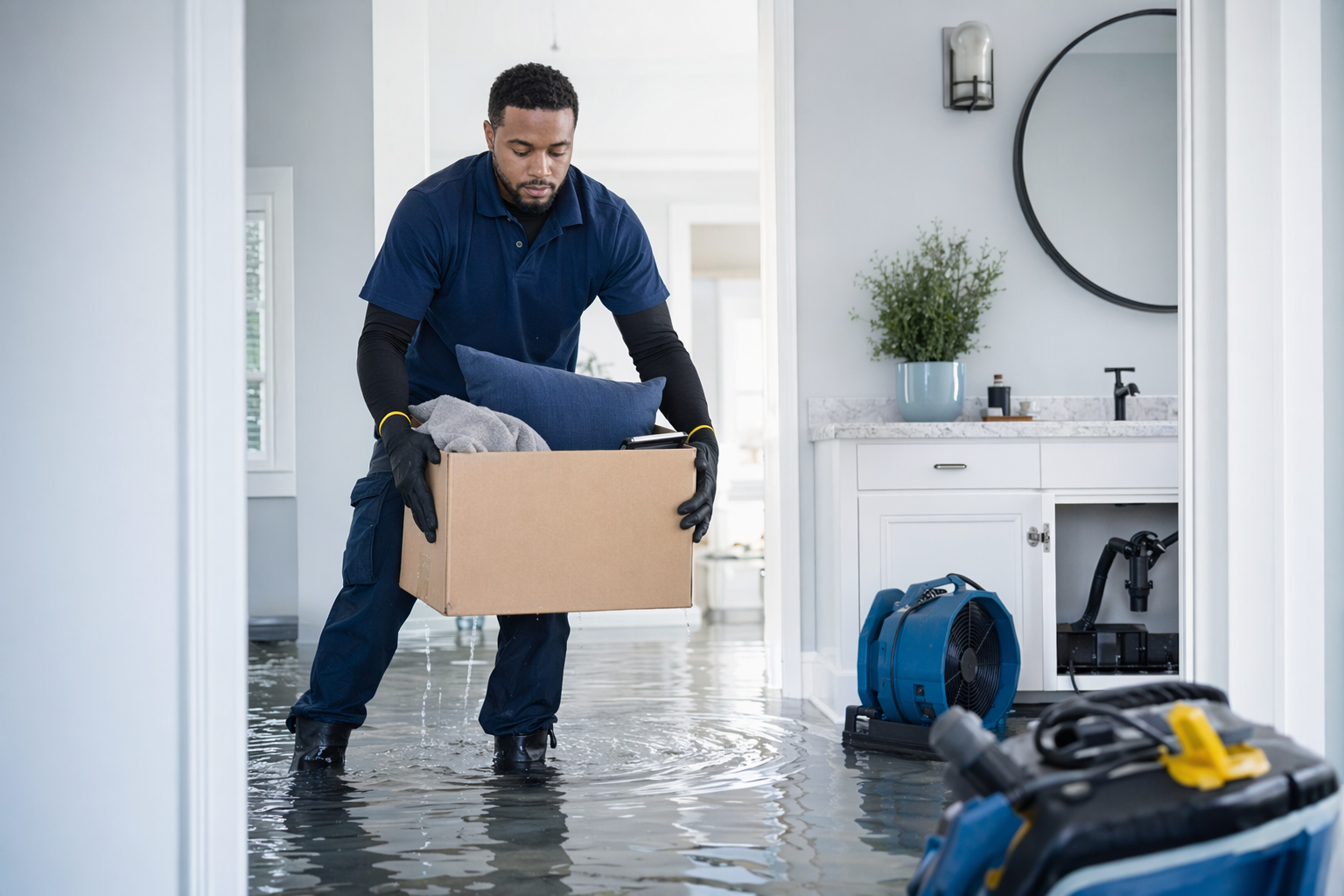
In general, you should leave your home and contact local emergency services first if there are immediate life-safety risks. Examples include: active fire or smoke, visible structural damage (walls sagging, major cracks, leaning), gas odors or suspected gas leaks, electrical hazards (sparks, standing water near outlets), or heavy flooding that makes access unsafe.
Also leave if authorities issue evacuation orders for your area. Even if your home looks “mostly okay,” conditions can change quickly. If you can do so safely, take only essentials (medications, important documents, a phone charger) and follow official instructions. For next steps after the danger passes, see what to do now and our general services overview.
Even after the worst event, air quality and moisture can remain hazardous. Leave if you notice strong chemical smells, heavy smoke residue, or lingering fumes. For flooding, treat the area as contaminated until it’s assessed—standing water and wet building materials can carry microbes and create mold risk. Mold is a type of fungus that can grow when materials stay wet.
When you do return, do so only after local authorities say it’s safe and after professionals have evaluated hazards. If you’re unsure, wait. If you want help finding certified restoration experts to assess conditions, you can get matched. This service is free for property owners, and professionals pay a flat fee—never a percentage.
Some issues aren’t obvious at first. Leave and avoid entering if you see: waterline damage that has risen above electrical outlets, loose ceilings, buckled floors, or doors/windows that no longer close properly. These can signal hidden instability.
Utility problems also matter. If power is out or systems were flooded, don’t turn anything back on. If you suspect gas leaks, leave immediately and call your gas utility or emergency services. For longer-term planning after the initial safety steps, explore guides for checklists and practical tips.
After you’ve evacuated or secured the area, focus on safety and documentation. If it’s safe to do so, take photos of damage for your records (without entering unsafe areas). Keep a simple log of dates and any observations—this can help when you talk with restoration professionals.
Then use Steady Restore to find qualified, certified restoration providers in your area. You’ll share general contact details and the type of damage (for example, water, fire, or storm impacts). We don’t ask for medical records or identity documents. Learn more at get-matched.
Sometimes, but not always. It depends on the type of damage and the hazards present (like active fire/smoke, strong odors, mold risk, or structural issues). If there’s any sign of unsafe air, electrical hazards, or instability, it’s safest to leave and wait for professionals to assess.
Flood water can carry contaminants, and wet materials can remain hazardous long after water recedes. If water entered basements, crawlspaces, or reached electrical areas, assume it’s not safe for self-entry. Certified professionals can evaluate moisture, category of contamination, and drying needs.
Not always. Even when the immediate emergency is over, power, gas, and structural concerns may still require time to resolve. Authorities may allow limited access, but if you’re unsure, it’s okay to wait. Certified restoration teams can help determine next steps after hazards are addressed.
Steady Restore is a free information and matching service. We provide calm, plain-language guidance and help you connect with certified restoration professionals for property damage. We don’t perform restoration work ourselves.
What to do if your basement floods Clear, calm, plain-language guidance from Steady Restore - an
What to do right after a house fire Clear, calm, plain-language guidance from Steady Restore - a
What to do when sewage backs up into your home Clear, calm, plain-language guidance from Steady
Free for property owners. Certified, insured pros. No pressure.