Water Damage Restoration
Standing water, a flooded basement, or a burst pipe? Learn how water damage restoration wo
After a fire, smoke and soot can keep damaging your home long after the flames are out. Steady Restore helps you find certified fire & smoke cleanup and restoration professionals in the US—so you can get help fast, with clear next steps you can trust.
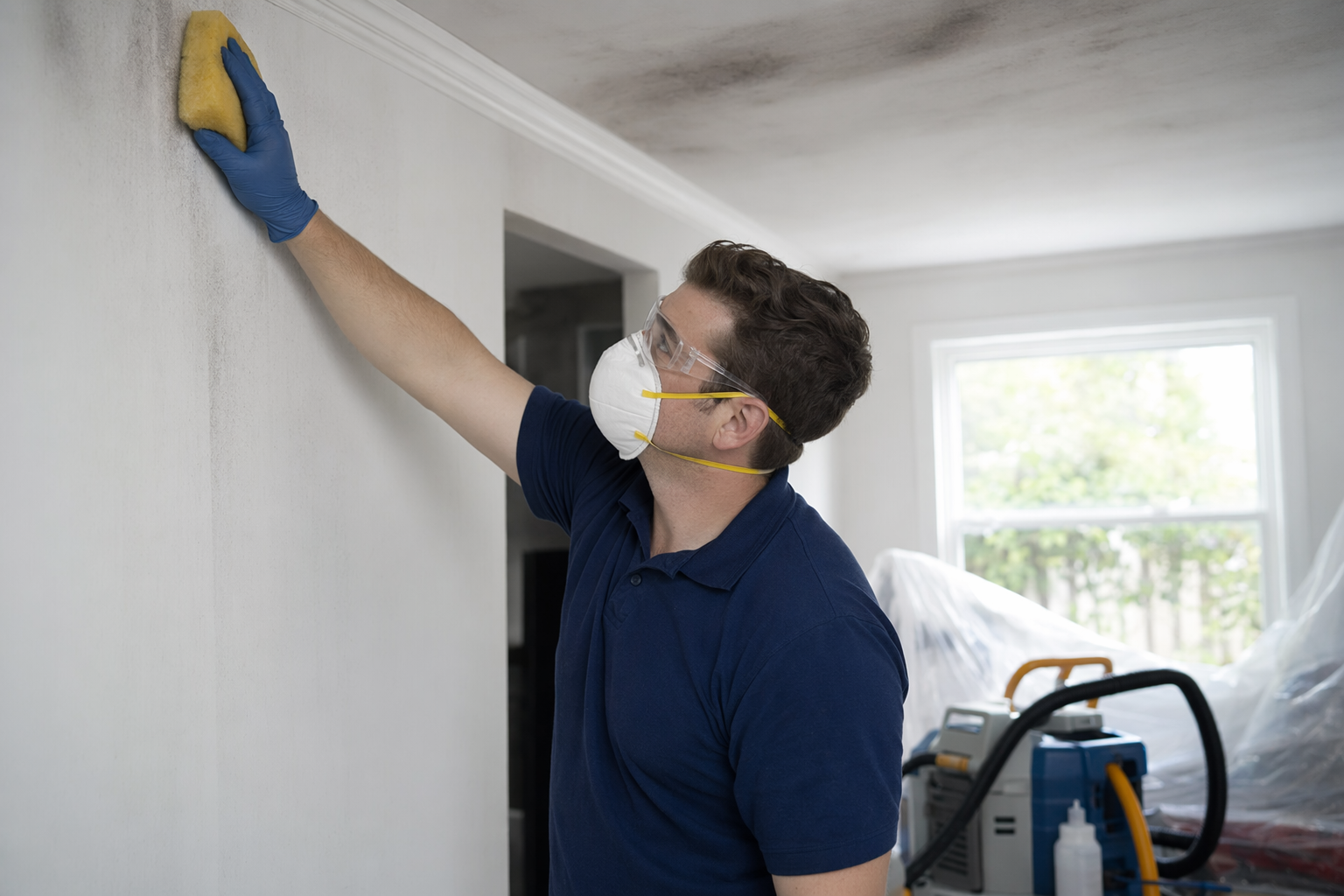
Fire damage often includes multiple types of harm: smoke residue, soot, heat-driven material changes, and hidden damage inside walls, insulation, and ductwork. Smoke can be “dry” (particulate soot) or “wet” (moisture carried by smoke), and each one may require different cleaning and deodorization steps.
Certified restorers typically assess what’s affected first, then remove contaminated materials when needed. They use industry-standard methods to clean surfaces, control odors, and help reduce the risk of recurring contamination while working toward safe return-to-use conditions. Learn more about the typical process in our guide: text.
1) Inspection & damage mapping: Pros look for where smoke and soot traveled, including places you can’t easily see.
2) Containment & safety controls: They may isolate work areas to limit spread of soot and protect occupants.
3) Water/air management (if relevant): Some fires involve water from sprinklers or firefighting. If drying is needed, drying steps can be part of the plan.
4) Cleaning & removal: Contents and building materials that can’t be cleaned may be removed. Items that can be cleaned are cleaned carefully.
5) Odor treatment & verification: Odor control usually involves cleaning first (removing residues) and then deodorization methods, followed by checks to confirm the work has been done properly.
You can also review what to do immediately after loss here: text.
Fire & smoke cleanup costs vary widely based on the fire size, soot type, affected materials, whether there’s water damage, and your city/state. As rough US estimates, many homeowners spend anywhere from $2,500 to $10,000+ for cleanup and basic restoration when damage is limited. Larger losses, heavy smoke penetration, extensive contents, or structural remediation can push costs higher.
If you’re comparing help options, ask how they handle inspection, cleaning, deodorization, and any required drying/monitoring. Costs are case-by-case, so it’s smart to plan for a range rather than a single number.
Steady Restore is a free matching service for property owners. We connect you with certified home restoration professionals who handle fire and smoke damage. You share general contact details and basic information about the damage—no medical or identity records.
To get matched, visit text. If you want to understand what to ask before work begins, our checklists and guides can help: text. We also offer support in your language when available, so you can feel confident about next steps.
• Document the damage: Photos and notes can help you remember what happened.
• Ask about safety: Inquire how they protect occupants and workers during cleaning.
• Understand the plan: Clarify what will be cleaned vs. removed.
• Confirm communication: Ask how updates will be provided.
For a practical overview, see text.
Timelines depend on how much the fire affected (and how far smoke traveled), whether materials must be removed, and whether drying is needed. A certified professional can estimate timing after inspecting the property.
If smoke residues remain in hard-to-reach areas, odors can return. That’s why thorough cleaning and verification steps matter. Ask your contractor what methods they’ll use to remove residue and address odor.
Many items can be cleaned, but not all. Materials that are heavily affected, porous, or too damaged may need removal. Your restorers should explain which items can be restored and why.
Sometimes one certified restoration provider coordinates multiple phases; other times specialties are added depending on the situation. It’s best to ask how the scope will be managed from cleanup through restoration.
Standing water, a flooded basement, or a burst pipe? Learn how water damage restoration wo
Found mold after a leak or flood? Learn how professional mold remediation works, when you
A sewage backup is a health hazard, not a mop job. Learn how professional sewage cleanup w
After a death, accident, or biohazard, certified technicians clean and decontaminate with
After a storm, fast action limits further damage. Learn how storm-damage restoration works
Free for property owners. Certified, insured pros. No pressure.