Water Damage Restoration
Standing water, a flooded basement, or a burst pipe? Learn how water damage restoration wo
When storms hit, it’s normal to feel overwhelmed. The good news is that fast, careful action can help limit further damage to your home and belongings. Steady Restore is a free service that helps US property owners connect with certified storm & wind restoration professionals in their area—so you can get answers and start the right next steps.
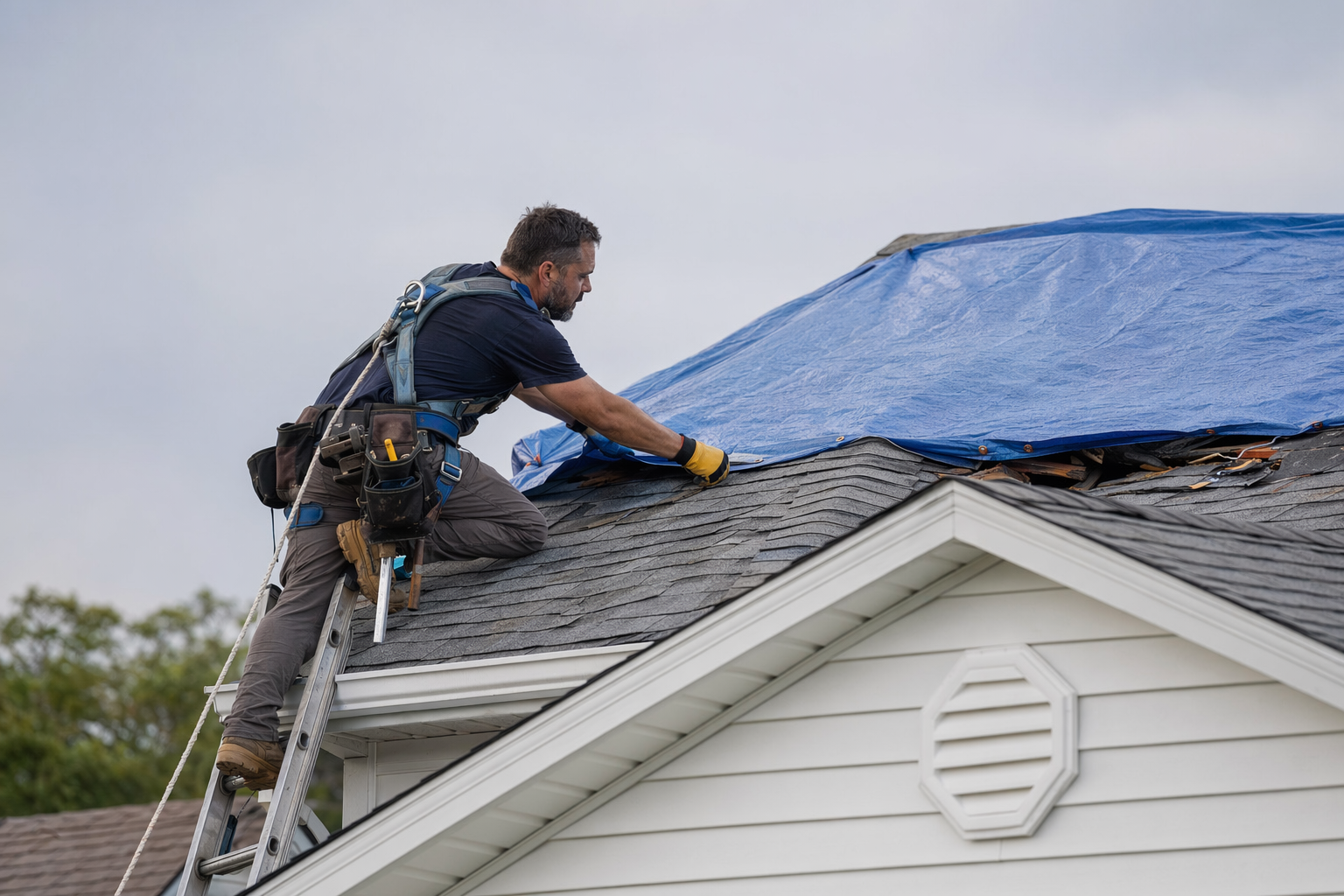
Storm, wind, and hurricane damage can involve a mix of roof and exterior issues, water intrusion, and hidden moisture inside walls or floors. Restoration teams typically start with an assessment to understand what’s damaged and what’s still wet or vulnerable.
Common early steps include tarping (covering the roof or openings with a waterproof cover to prevent additional leaks), water extraction (removing standing water), and structural drying (using industrial dehumidifiers and air movers to dry materials). If debris or mold risk is present, crews may also handle cleanup and safe containment. Learn more about the overall process in what to do now.
After a storm, moisture can spread beyond the visible leak. Drying too slowly can raise the chance of odor problems and mold growth, and it can also weaken materials over time. Taking action early can help reduce the scope of damage and the amount of time your home is out of service.
That said, it’s also important to keep people safe. If there are hazards like downed power lines, active leaks, or unstable structures, wait until conditions are safe, then contact a qualified restoration professional for guidance. You can get matched with local help at get-matched.
Every storm situation is different, but most homes move through a few phases: initial emergency mitigation, moisture mapping and drying, cleaning and repairs coordination, and closeout documentation. Drying time often depends on how much water entered, building materials, indoor humidity, and the climate in your city.
A certified team can explain what they plan to do and how they’ll measure drying progress (for example, by checking moisture levels). While exact timelines vary, you can feel more confident when you see a clear plan and regular updates. See guides for practical checklists you can use while you wait for help.
Storm & wind restoration costs can vary widely based on the type of damage, home size, materials affected, and your location. As a general US estimate, many homeowners spend hundreds to several thousand dollars for emergency mitigation and drying after water intrusion, and more if extensive repairs are needed (such as roof replacement, drywall replacement, or reconstruction).
Additional factors can affect cost, including debris removal, structural drying equipment needs, multiple affected rooms, and whether mold remediation becomes necessary. For more context on budgeting and planning, explore services.
When you request help through Steady Restore, we connect you with certified storm-damage restoration professionals—so you don’t have to search alone. The service is free for property owners, and we don’t charge you a fee. Professionals pay a flat service fee (never a percentage), and you remain in control of decisions.
To get matched, we only ask for general contact details and basic information about the storm-related damage. We don’t request medical records or identity documents. Start now at get-matched or review the step-by-step approach in what to do now.
Small, safe actions may help limit damage (like removing wet items you can safely reach), but avoid taking risks if there’s electrical danger, unstable ceilings, or ongoing leaks. A certified restoration professional can help assess what’s safe to move and what needs containment before cleanup begins.
Structural drying is the process of drying the building materials that were exposed to water, such as drywall, wood, and subfloors. Teams use equipment like dehumidifiers and air movers to reduce moisture and they often check moisture levels to confirm materials are drying properly.
In many cases, calling within the first 24–48 hours after safe entry is possible can help reduce further damage. If your home is still leaking or there’s standing water, prioritize emergency mitigation as soon as conditions are safe.
No. Steady Restore is a free matching and information service. We provide general educational guidance and help you connect with certified local restoration professionals. You choose which contractor to work with.
Standing water, a flooded basement, or a burst pipe? Learn how water damage restoration wo
After a house fire, smoke and soot keep causing damage. Learn how fire and smoke restorati
Found mold after a leak or flood? Learn how professional mold remediation works, when you
A sewage backup is a health hazard, not a mop job. Learn how professional sewage cleanup w
After a death, accident, or biohazard, certified technicians clean and decontaminate with
Free for property owners. Certified, insured pros. No pressure.