Fire & Smoke Damage Cleanup
After a house fire, smoke and soot keep causing damage. Learn how fire and smoke restorati
Water can damage floors, walls, furniture, wiring, and the air you breathe faster than many people expect. Whether the problem came from a burst pipe, overflowing appliance, storm flooding, or a slow leak you just discovered, quick action can help limit further damage. Steady Restore is a free information and matching service that helps property owners in the US connect with certified home restoration professionals.
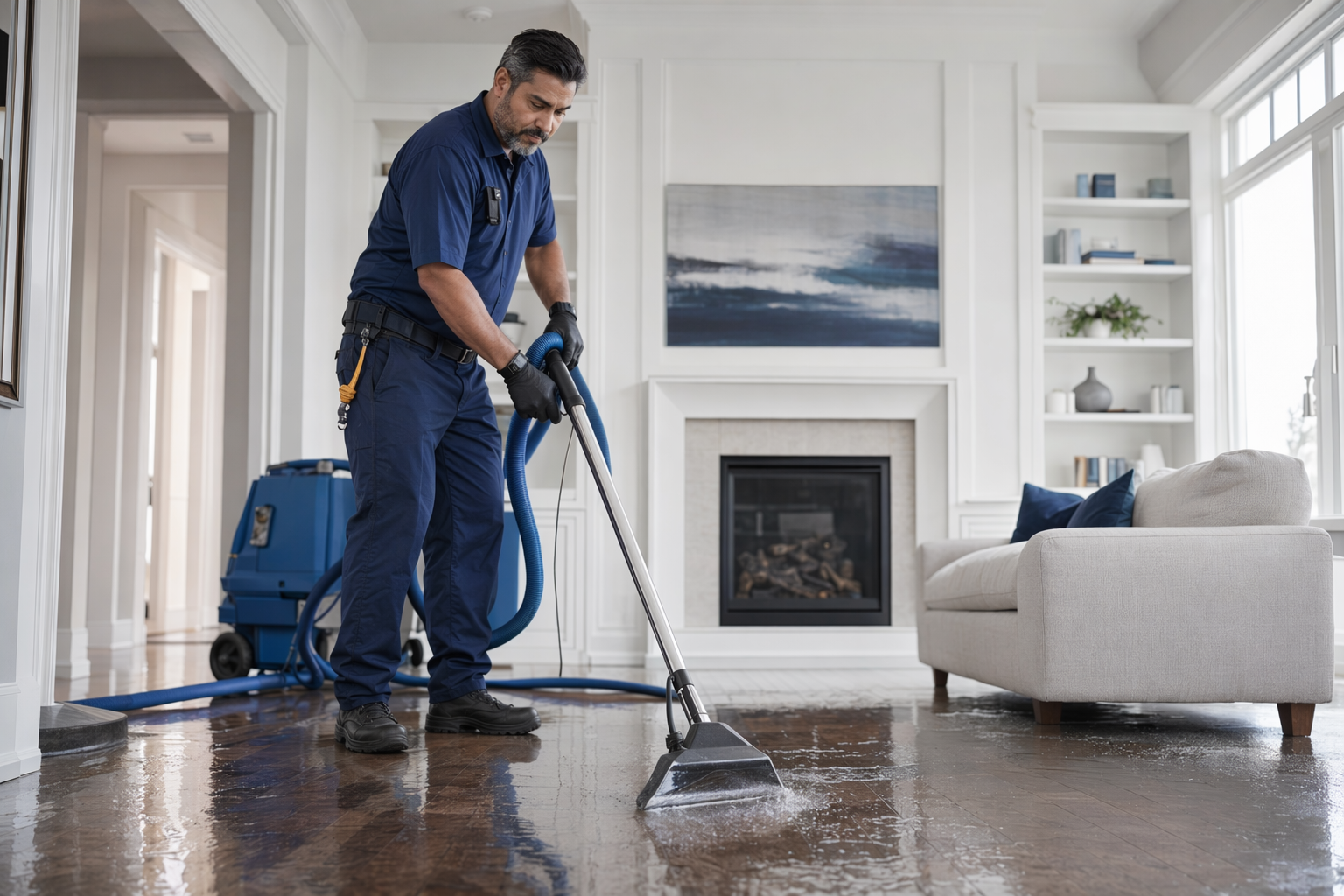
Water damage restoration is the process of removing unwanted water, drying the property, cleaning affected areas, and repairing or replacing damaged materials. The goal is to help return the home or building to a safe, usable condition and reduce the chance of long-term problems like warped flooring, damaged drywall, or mold growth.
Not every water loss is the same. A small leak under a sink may affect one cabinet, while a flooded basement can affect insulation, framing, personal belongings, and electrical systems. Restoration professionals inspect the source of the water, measure how far moisture has spread, and build a plan for cleanup and repairs.
Water damage often starts with burst or frozen pipes, roof leaks, overflowing tubs or toilets, appliance failures, plumbing leaks, sump pump problems, or storm-related flooding. Even clean-looking water can spread into hidden spaces behind walls or under flooring.
The first 24 to 48 hours can be important because wet materials can swell, stain, soften, or begin to break down. Moisture that stays trapped can also lead to mold, which is fungal growth that can develop on damp materials. If you are dealing with active water, shutting off the water source if it is safe to do so and reviewing what to do now can help while you arrange professional help.
If the damage affects more than one room, includes ceilings, insulation, or electrical areas, or involves gray or black water, it is usually best to contact a qualified restoration professional promptly. Help may also be available in your own language when you request a match.
Most water damage jobs begin with an inspection and moisture mapping. Moisture mapping means using tools such as moisture meters and thermal cameras to find water in materials that may not look wet on the surface. The professional will identify safety concerns, explain which materials may be saved, and outline next steps.
Next comes water extraction, which means removing standing water with pumps or vacuums, followed by drying and dehumidification. Dehumidification is lowering the moisture in the air so walls, wood, and other materials can dry more completely. Air movers, dehumidifiers, and careful monitoring are commonly used.
After drying, the work may include cleaning, odor treatment, and repairs. Depending on the damage, repairs might involve drywall removal, flooring replacement, cabinet work, insulation replacement, or repainting. Some situations also need sanitizing, especially after sewage backups or contaminated floodwater. You can learn more about related services and guides before deciding what kind of help you need.
Water damage restoration costs in the US can range widely depending on the source of the water, how many rooms are affected, the materials involved, local labor rates, and whether repairs are minor or major. As a general estimate, smaller clean-water jobs may start around $1,000 to $3,000, while moderate losses often fall around $3,000 to $8,000. Larger or more complex projects, especially those involving contaminated water, structural repairs, or multiple levels of a home, can run $8,000 to $20,000 or more.
A flooded basement may cost more if water soaked drywall, insulation, flooring, stored belongings, or mechanical systems. Burst pipe damage can be less or much more depending on how long the leak continued and whether ceilings, hardwood, or built-ins were affected. Costs vary by case, property, city, and state, so these are estimates only, not quotes or guarantees.
Insurance may cover some types of sudden and accidental water damage, but coverage depends on the policy and cause of loss. Restoration professionals can often document moisture readings, affected materials, and visible damage for your records, but coverage decisions are made by your insurer.
If you need help, Steady Restore can match you with certified home restoration professionals who may offer 24/7 response in many areas. Our service is free for property owners. Professionals pay us a flat fee to participate, never a percentage of your project cost.
We are not a restoration contractor, and we do not provide restoration work ourselves. We share general educational information and help connect you with professionals so you can compare your options. To get started, you can get matched using general contact details only. We never ask for medical records or identity documents.
If you are unsure whether your situation needs professional help, start with what to do now for practical next steps and safety tips.
It can be. Active leaks, standing water, sewage backups, and water near electrical systems should be taken seriously. Quick response may help reduce additional damage, but the exact urgency depends on the source of the water and what parts of the property are affected.
Some smaller jobs may take a few days for drying, while larger losses with repairs can take much longer. The timeline depends on how much water is present, which materials are wet, weather and humidity, access to affected areas, and whether reconstruction is needed. No specific timeline can be guaranteed.
Sometimes. It depends on how long the material has been wet, what kind of water caused the damage, and whether the material has started to deteriorate. A professional inspection can help determine what may be dried and restored and what may need replacement.
Usually just general contact details, the property location, and a brief description of the water problem. Steady Restore does not ask for medical records or identity records, and help may be available in your preferred language.
After a house fire, smoke and soot keep causing damage. Learn how fire and smoke restorati
Found mold after a leak or flood? Learn how professional mold remediation works, when you
A sewage backup is a health hazard, not a mop job. Learn how professional sewage cleanup w
After a death, accident, or biohazard, certified technicians clean and decontaminate with
After a storm, fast action limits further damage. Learn how storm-damage restoration works
Free for property owners. Certified, insured pros. No pressure.