What to do if your basement floods
What to do if your basement floods Clear, calm, plain-language guidance from Steady Restore - an
A house fire is overwhelming, and the first hours can feel confusing. The safest next step is to slow down, make sure everyone is out, and focus on immediate safety, basic documentation, and getting the right help lined up. Steady Restore shares general educational information and offers a free way to help US property owners connect with certified home restoration professionals near them.
If the fire department is still on site, follow their instructions first. Do not go back inside until firefighters or other local officials say it is safe. After a fire, there can be hidden dangers like weak floors, damaged wiring, broken glass, hot spots, and smoke that can still irritate your lungs.
If anyone may have breathed in heavy smoke or has burns, call 911 or get medical care right away. Once everyone is safe, try to keep children and pets away from the property. If you need help understanding next steps, support may be available in your own language when you ask for assistance.
Contact your homeowners or renters insurance company as soon as you can. Ask how to start a claim, whether they want photos before cleanup begins, and what emergency steps they may cover. If the home is not safe to stay in, ask about temporary living expenses and what receipts you should save.
Take clear photos and video of all affected areas if it is safe to do so. Try to document fire, smoke, soot, and water damage. Soot is the black, oily residue left behind by fire and smoke. Make a simple list of damaged items room by room, and keep receipts for hotel stays, food, clothing, and emergency supplies.
After a fire, homes often need emergency stabilization, which means temporary work to help prevent more damage. This can include board-up services for broken doors or windows, roof tarping to cover an opening, and shutting off unsafe utilities. Water used to put out the fire can also keep spreading damage if cleanup is delayed.
If officials say it is safe and your insurer allows it, take only basic steps that reduce further loss. You may be able to move undamaged valuables, important papers, medications, and a few personal items. Avoid turning utilities back on yourself unless a qualified professional says it is safe. You can learn more about immediate steps at what to do now.
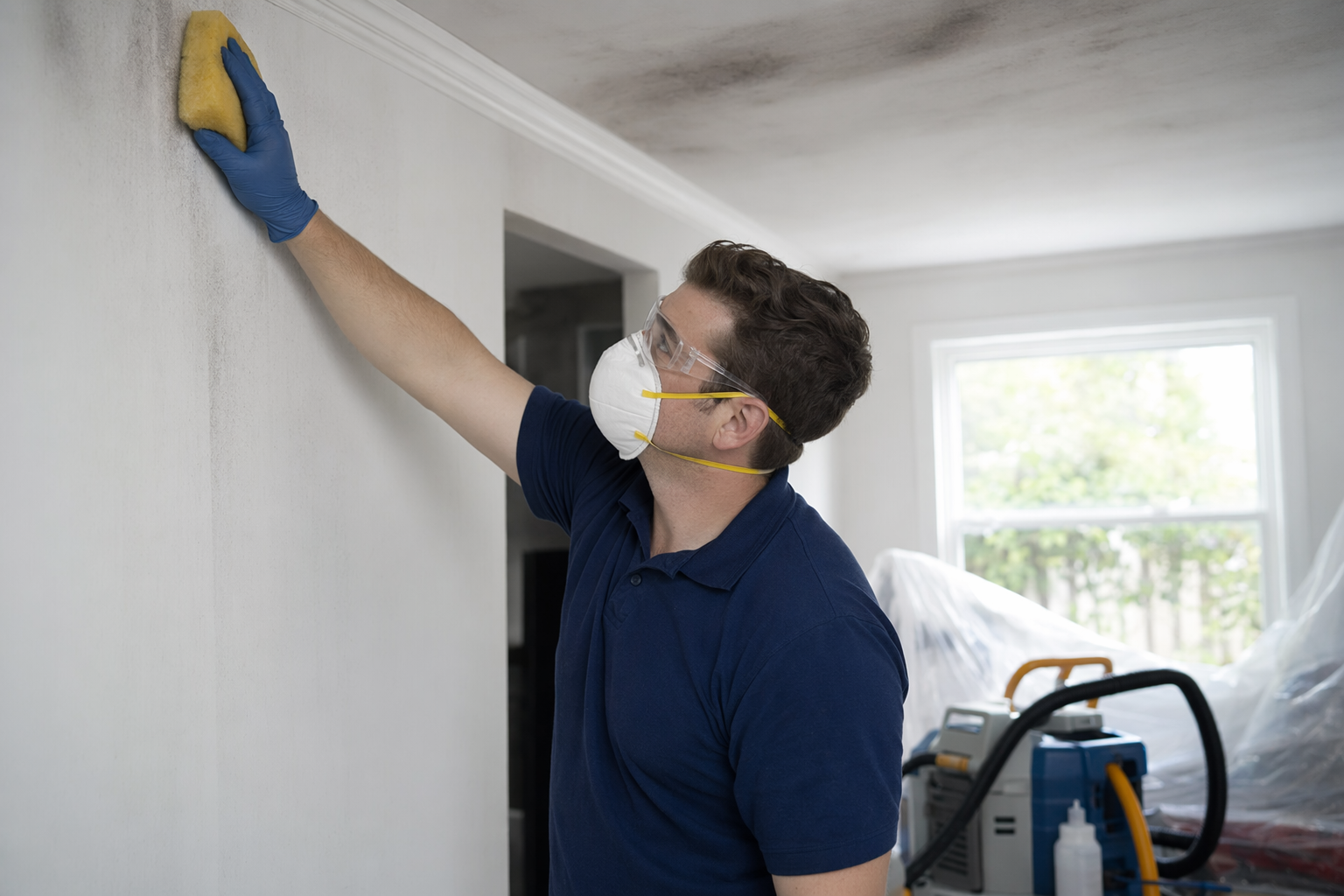
It is usually best not to start deep cleaning right away. Smoke and soot can spread easily and may stain surfaces more if scrubbed the wrong way. Water from firefighting can also lead to mold, which is fungal growth that can start in damp materials within a day or two in some conditions.
Do not use household vacuums on soot, and do not wash walls or upholstery unless a restoration professional or your insurer says it is appropriate. If you can safely retrieve essentials, wear gloves and avoid disturbing damaged materials. Certified restoration professionals may use specialized drying, air filtration, deodorization, and content cleaning methods depending on the damage. See services for an overview of common restoration help.
Fire damage restoration often happens in stages. Early work may include inspection, emergency board-up, water extraction, drying, debris removal, smoke and soot cleanup, odor treatment, and cleaning salvageable belongings. Later repairs may include replacing drywall, insulation, flooring, cabinets, wiring, or roofing, depending on how serious the damage is.
Costs vary widely by the size of the fire, how long smoke traveled, how much water was used, local labor rates, materials, and code requirements in your city or state. As a very general US estimate, smaller fire damage cleanup jobs may start around $3,000 to $8,000, moderate restoration may run about $8,000 to $30,000, and severe fire damage with major repairs or rebuilding can go much higher, sometimes $30,000 to $100,000+. These are only broad estimates, not quotes or guarantees.
If you need professional help, Steady Restore can help you look for certified home restoration professionals near you through our free matching service for property owners. We are not a restoration contractor, and we do not perform the work ourselves. We share general information and help connect you with local professionals who handle fire, smoke, soot, and water damage.
The service is free to homeowners and property owners. Professionals pay a flat fee to participate, never a percentage of your project. We only ask for general contact details so a local professional can reach out, never medical or identity records. If you are ready, you can get matched or read more fire recovery tips in our guides.
Only if firefighters or local officials say it is safe. Fire can weaken floors, walls, and ceilings, and smoke can still be dangerous. If entry is allowed, focus on essentials like medication, wallets, phones, keys, and important papers, and leave everything else for later.
As soon as possible. Early contact can help you understand claim steps, temporary housing benefits, documentation needs, and what emergency services may be covered. Keep a record of who you spoke with and save receipts for related expenses.
Light surface wiping may seem tempting, but deep cleanup is often best left to trained professionals. Soot can smear, stain, and spread if handled the wrong way, and water left behind after firefighting can lead to mold. If you are unsure, wait for guidance from your insurer or a certified restoration professional.
Steady Restore provides general educational information and a free matching service for US property owners looking for certified restoration professionals. We are not a contractor, we do not guarantee a specific company or timeline, and we only collect general contact details so you can be contacted about help.
What to do if your basement floods Clear, calm, plain-language guidance from Steady Restore - an
What to do when sewage backs up into your home Clear, calm, plain-language guidance from Steady
What to do when a pipe bursts Clear, calm, plain-language guidance from Steady Restore - and a f
Free for property owners. Certified, insured pros. No pressure.