What to do if your basement floods
What to do if your basement floods Clear, calm, plain-language guidance from Steady Restore - an
If your rental home or apartment has been damaged by water, smoke, fire, mold, or a storm, one of the first questions is usually: who pays for cleanup? The short answer is that it depends on what was damaged, what caused it, what your lease says, and what insurance is in place. In many cases, the landlord is responsible for damage to the building itself, while a renter may be responsible for personal belongings or costs tied to their own actions. This page gives general US information only, not legal advice or insurance advice.
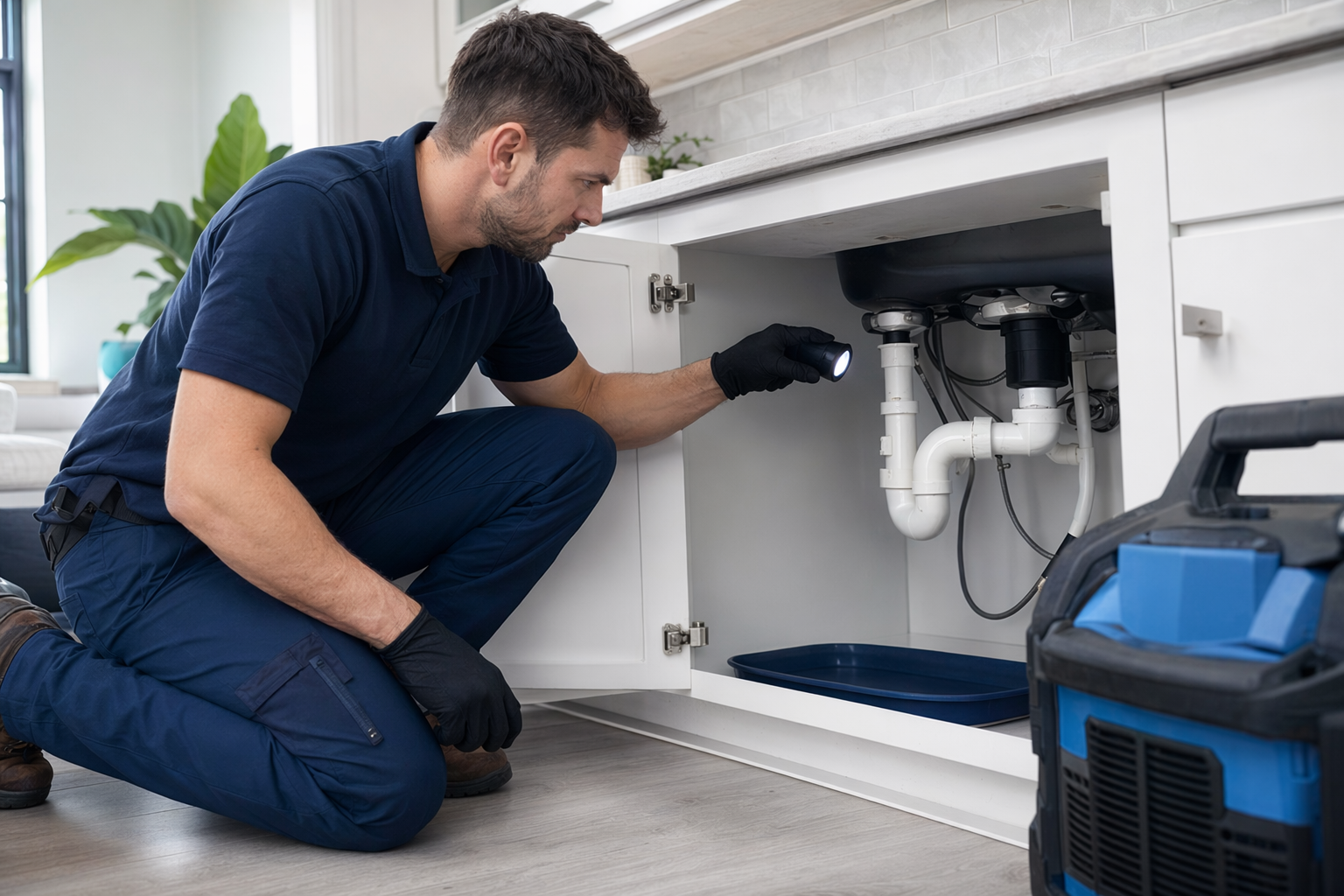
In many rental situations, the landlord pays for cleanup and repairs to the building: things like walls, ceilings, floors, plumbing behind the walls, and shared systems. That is often handled through the landlord's property insurance, if the loss is covered.
A renter's insurance policy often helps with the renter's personal property, meaning belongings like clothes, furniture, electronics, and kitchen items. It may also help with temporary living costs if the unit cannot be safely lived in after a covered loss. Policy rules, deductibles, and exclusions vary, so it helps to review your policy and ask your insurer how your claim is being classified.
If the damage came from a sudden event, like a burst pipe, kitchen fire, or storm opening the roof, responsibility is often different than if the problem built up over time. A sudden event means something that happens quickly and unexpectedly. Long-term issues can include slow leaks, repeated moisture, or maintenance problems that were not addressed.
If a renter caused the damage, such as leaving a bathtub running or starting a cooking fire, the renter or the renter's liability coverage may be involved. Liability coverage is insurance that may help pay when someone is legally responsible for damage to other people's property. If the damage happened because of a building issue, like failed plumbing or roof problems, the landlord is more often involved. When fault is unclear, insurers and property owners may investigate before deciding who pays.
Disaster cleanup is more than just removing visible mess. Certified restoration professionals may handle water extraction, drying, smoke and soot removal, odor treatment, debris removal, and mold cleanup when needed. Drying means using equipment to remove hidden moisture from materials so damage does not keep spreading.
Costs vary widely by case, property size, materials affected, and local labor rates. As a very general US estimate, minor water cleanup may start around $1,000 to $3,000, while moderate to larger losses can run $3,000 to $10,000 or much more. Fire and smoke cleanup often starts in the low thousands and can rise well beyond $10,000 depending on the extent of damage. Mold remediation, which means professional removal and containment of mold growth, may range from about $500 for a very small area to several thousand dollars or more. These are estimates only, not quotes or guarantees.
First, make safety the priority. If there is active leaking, electrical risk, fire damage, strong odor, or suspected contamination, notify the landlord or property manager as soon as possible and follow emergency instructions. If you need a practical checklist, visit what to do now.
Take photos and videos of the damage, make a list of affected belongings, and save receipts for emergency purchases or temporary lodging if your insurer tells you to do so. Contact your renters insurance company promptly if you have a policy. You can also review your lease for repair and reporting terms. If cleanup is needed, get matched to certified restoration professionals in your area. Steady Restore is a free information and matching service for property owners and occupants, and help is available in your own language.
A common problem is that each side assumes the other side will pay. The landlord may say a renter caused the issue. The renter may believe the building was not maintained. Insurance may cover some items but not others, especially if there are exclusions for flooding, gradual leaks, or neglected maintenance. That can leave people confused even when cleanup needs to happen quickly.
If you are unsure, ask for the claim decision in writing, review your lease, and keep records of all notices and damage photos. For legal rights about habitability, deposits, or landlord-tenant disputes, you may need a local attorney or tenant advocacy group because state and city rules differ. If the main question is who can safely assess and clean the damage, you can explore services or read more guides.
Sometimes, but not always. In many cases, a renter's insurance policy may help with additional living expenses after a covered loss. Additional living expenses means extra costs for temporary housing, meals, or similar needs when your home cannot be lived in. Whether a landlord must pay depends on local law, the lease, and what caused the damage.
Often the building owner or the responsible tenant's insurance may be involved, but your own renters insurance may still be the fastest place to start for your belongings. Your insurer may later try to recover costs from the party it believes was responsible. The exact result depends on fault, coverage, and local rules.
Sometimes, but many policies limit or exclude mold unless it came from a covered event and was reported promptly. Mold claims often depend on the cause, how long the moisture was present, and the wording of the policy. Ask your insurer to explain the coverage in plain language and in writing.
No. We provide general educational information only and are not a law firm, public adjuster, or insurance company. We can help you understand the cleanup side and connect you, for free, with certified restoration professionals near you. The professionals pay Steady Restore a flat fee for participation, never a percentage of your job.
What to do if your basement floods Clear, calm, plain-language guidance from Steady Restore - an
What to do right after a house fire Clear, calm, plain-language guidance from Steady Restore - a
What to do when sewage backs up into your home Clear, calm, plain-language guidance from Steady
Free for property owners. Certified, insured pros. No pressure.