What to do if your basement floods
What to do if your basement floods Clear, calm, plain-language guidance from Steady Restore - an
If your home was damaged by a storm, flood, fire, or other disaster, you deserve safe, respectful cleanup help. This guide explains how disaster cleanup services generally relate to immigration status in the US—so you can focus on getting your home and belongings handled properly. We’re not a contractor, but we can share clear, practical information and help you find certified restoration professionals at no cost.
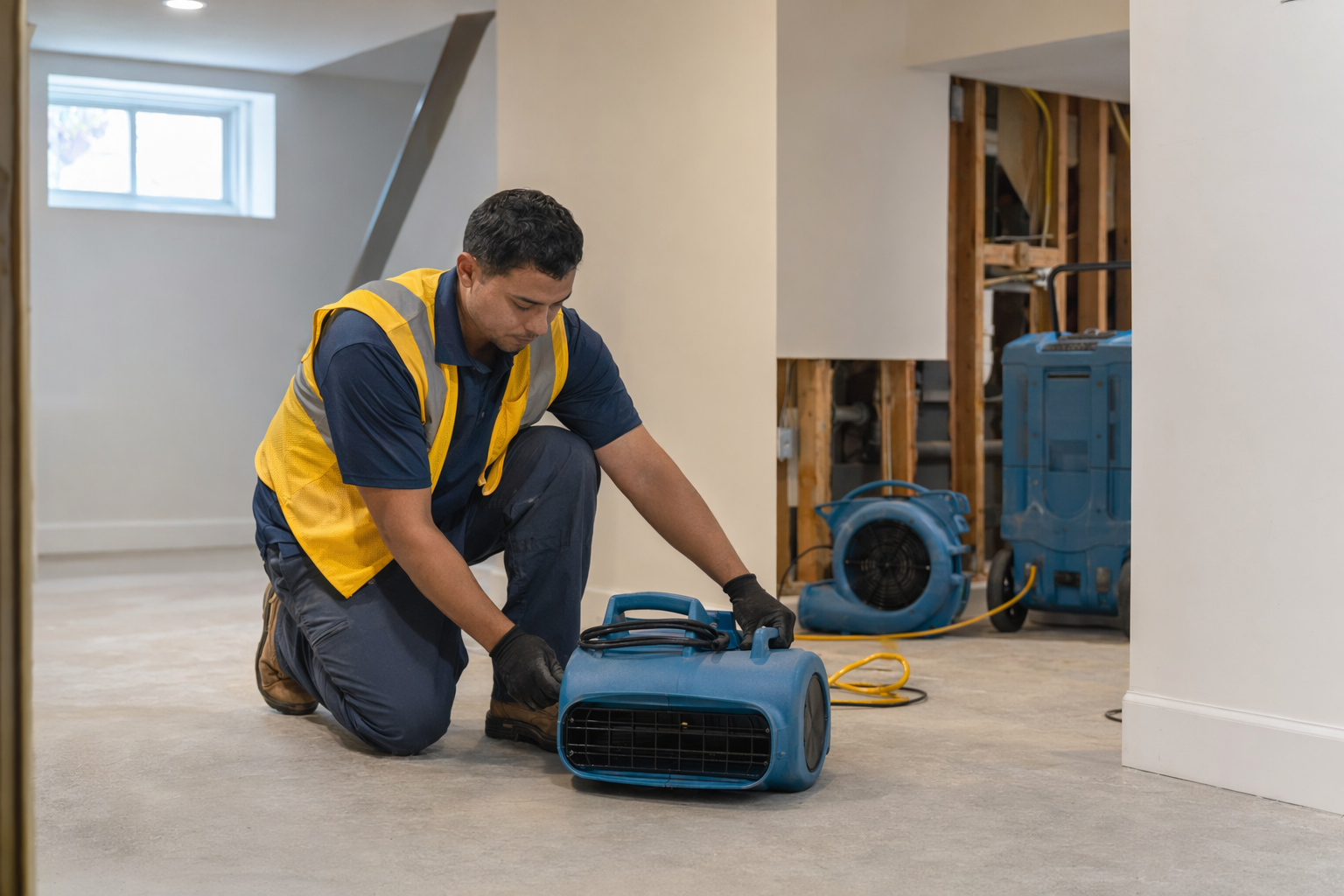
Before worrying about paperwork, prioritize safety. If there’s active water, smoke, electrical hazards, or structural damage, wait until it’s safe to enter. If you can, take photos of damage and keep any letters, notices, or repair estimates you receive.
When you talk with restoration teams, you can ask questions like: “Do you work with insurance claims?” and “Will you provide itemized documentation?” Itemized documentation is a detailed list of work done and materials used, which can help you coordinate with insurers, landlords, or assistance programs.
In the US, disaster cleanup and property repairs are generally based on property damage—not immigration status. Many certified restoration professionals focus on the scope of work (the areas affected and the type of damage) and safety standards.
To book or estimate the work, companies typically ask for basic contact information and property details (like address, type of damage, and what areas need cleanup). They usually do not need immigration or medical records to perform or plan disaster cleanup. If anyone asks for sensitive personal records you don’t understand, it’s okay to ask why it’s needed and whether there’s a less invasive option.
If you rent, your landlord may have responsibilities for the building, while you may have responsibilities for your unit and belongings—depending on your lease and local laws. Disaster cleanup can become complicated, especially after water intrusion (when water enters walls, floors, or ceilings).
If you’re a renter, consider keeping records of communications with your landlord and requesting that cleanup be arranged promptly. You can also explore guidance on next steps here: what to do now. If language is a barrier, ask providers if they can communicate in your preferred language or provide translated materials.
Costs for disaster cleanup and restoration vary widely. As rough estimates, many homeowners and renters may see anywhere from a few hundred dollars to several thousand dollars depending on the type of damage (water vs. fire vs. mold), affected square footage, and whether contents (belongings) need special handling.
When you search for help, choose teams that are certified and experienced with the specific damage type. You can browse options and get matched for free here: get-matched. Learn more about the types of services often needed in different situations here: services.
In most cases, disaster cleanup and property restoration rely on property damage and safety needs, not immigration status. Companies commonly request basic contact and property details for scheduling and estimating, and they typically should not require immigration or medical records. If you’re asked for sensitive documents, you can ask why they’re needed and whether another way to proceed is available.
Often, start by notifying your landlord promptly in writing and requesting cleanup. In parallel, you can ask restoration professionals about safe mitigation steps for your unit and belongings so damage doesn’t worsen (for example, with water intrusion). For a calm checklist of early actions, see [what to do now](/what-to-do-now/).
Good questions include: what certifications they hold, whether they can handle your specific damage type, how they document the work (itemized documentation), what timeline they expect for starting mitigation, and how costs are structured. If you speak another language, ask if they can communicate in your language or provide translated materials.
Estimates vary a lot by city/state, severity, and affected materials. As general US ranges, minor cleanup may be a few hundred dollars, while significant mitigation and restoration can reach several thousand dollars or more. Costs differ by case, so ask for an itemized estimate and written scope of work. For matching with certified pros, use [get-matched](/get-matched/).
What to do if your basement floods Clear, calm, plain-language guidance from Steady Restore - an
What to do right after a house fire Clear, calm, plain-language guidance from Steady Restore - a
What to do when sewage backs up into your home Clear, calm, plain-language guidance from Steady
Free for property owners. Certified, insured pros. No pressure.