What to do if your basement floods
What to do if your basement floods Clear, calm, plain-language guidance from Steady Restore - an
Yes, some water-damaged belongings can be saved, but it depends on what got wet, what kind of water was involved, and how quickly cleanup starts. Items touched by clean water may be recoverable if they are dried and cleaned soon. Items exposed to gray water or black water may be unsafe to keep. Gray water means used water that may contain soap, food waste, or other contaminants. Black water means heavily contaminated water, such as sewage or floodwater from rivers or streets. If you are unsure, [get matched](/get-matched/) with certified restoration professionals for guidance in your area.
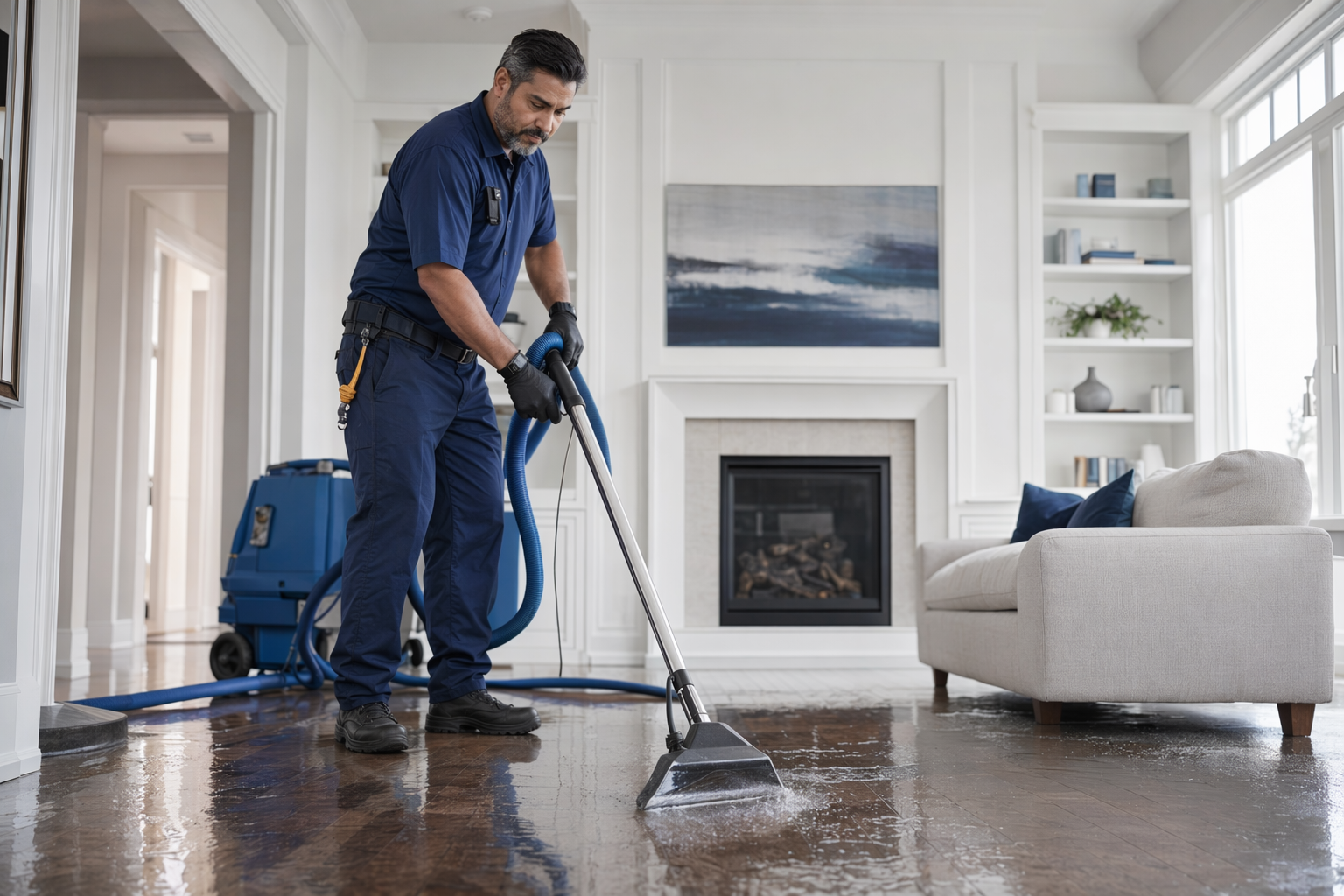
The biggest factors are the water source, how long the item stayed wet, and what the item is made of. In general, hard, non-porous materials are easier to clean and dry. Non-porous means water does not soak deeply into the surface, like glass, metal, and some plastics. Porous materials soak up water, like carpet, drywall, paper, fabric, and unfinished wood.
Time matters too. The longer moisture sits, the more likely you are to get swelling, staining, odors, and mold. Mold is fungal growth that can begin developing in as little as 24 to 48 hours in the right conditions. Fast action improves the chances of saving both belongings and parts of the home.
Some belongings can often be restored if the water was clean and response started quickly. This may include solid wood furniture, metal furniture, glass items, dishes, some plastics, washable clothing, and certain electronics if they are handled properly by qualified technicians. Area rugs may sometimes be saved depending on the material, the water category, and how long they were wet.
Important papers, photos, and books may sometimes be recoverable with specialty drying methods. Specialty drying means controlled techniques used to remove moisture while reducing further damage. Sentimental items are worth mentioning to a restoration team early so they can tell you what may be possible. If you need next steps right away, see what to do now.
Some materials are much harder to restore safely, especially after gray water or black water exposure. Upholstered furniture, mattresses, particleboard furniture, insulation, drywall, stuffed toys, and thick carpet padding often absorb contamination deeply. Even if these items look dry on the outside, moisture and contaminants can remain inside.
Electronics are a special case. Do not plug in wet devices or assume rice will fix them. A professional may be able to assess some devices, but others may be unsafe or uneconomical to restore. Food, medicine, cosmetics, and baby items touched by contaminated water are commonly discarded for safety reasons.
Certified restoration professionals usually inspect the water source, moisture levels, visible damage, and signs of contamination. Moisture levels are measured with tools that help show how much water is still trapped inside materials. They may also separate items into categories such as cleanable, restorable, and non-restorable based on safety, condition, and cost.
Documentation can help if you plan to file an insurance claim. This may include photos, lists of damaged contents, and notes about brand, model, age, and condition. A restoration company may also offer contents cleaning, pack-out, and storage. Pack-out means moving belongings to another location for cleaning or drying. You can learn more about available services and guides.
Costs depend on the item, the amount of damage, the water category, local labor rates, and whether specialty cleaning or drying is needed. As rough US estimates, contents cleaning may range from about $1,000 to $5,000+ for a small-to-moderate group of belongings, while specialty document or photo recovery can range from about $150 to $1,000+ for limited items and much more for large batches. Rug cleaning and drying may range from about $200 to $1,500+ depending on size and material.
Whole-home water damage cleanup is often much more expensive than contents work alone. Minor clean-water losses may start around a few hundred dollars, while larger or contaminated losses can reach several thousand dollars or much more. These are estimates, not quotes or guarantees, and costs vary by case, property, city, and state. If you want help finding certified local help, get matched. Help may be available in your own language.
Often yes, especially if they were exposed to clean water and washed quickly. Clothes touched by sewage or floodwater may not be safe to keep. Follow professional advice for contaminated items.
Sometimes, but these are often difficult to save because padding and fabric hold moisture and contamination deep inside. After gray water or black water exposure, replacement is common for safety reasons.
Not always. Some books, documents, and photos can be stabilized and treated with specialty drying methods if action starts quickly. Set them aside carefully and ask a professional before discarding sentimental or important items.
As soon as possible. Quick drying and cleaning can improve the chance of saving items and may help reduce mold, odors, and permanent damage. If the water may be contaminated, avoid handling items without proper protection.
What to do if your basement floods Clear, calm, plain-language guidance from Steady Restore - an
What to do right after a house fire Clear, calm, plain-language guidance from Steady Restore - a
What to do when sewage backs up into your home Clear, calm, plain-language guidance from Steady
Free for property owners. Certified, insured pros. No pressure.