What to do if your basement floods
What to do if your basement floods Clear, calm, plain-language guidance from Steady Restore - an
At Steady Restore, we know it’s stressful when water gets into your home. This guide shares calm, practical next steps after a roof leak or storm damage, so you can protect your property and make informed decisions.
If the leak is active, focus on safety first. If you see electrical hazards (sparks, wet outlets, or water near panels), stop and contact a licensed electrician or your utility for guidance. For active dripping, you can place a bucket and move belongings away from the wet area.
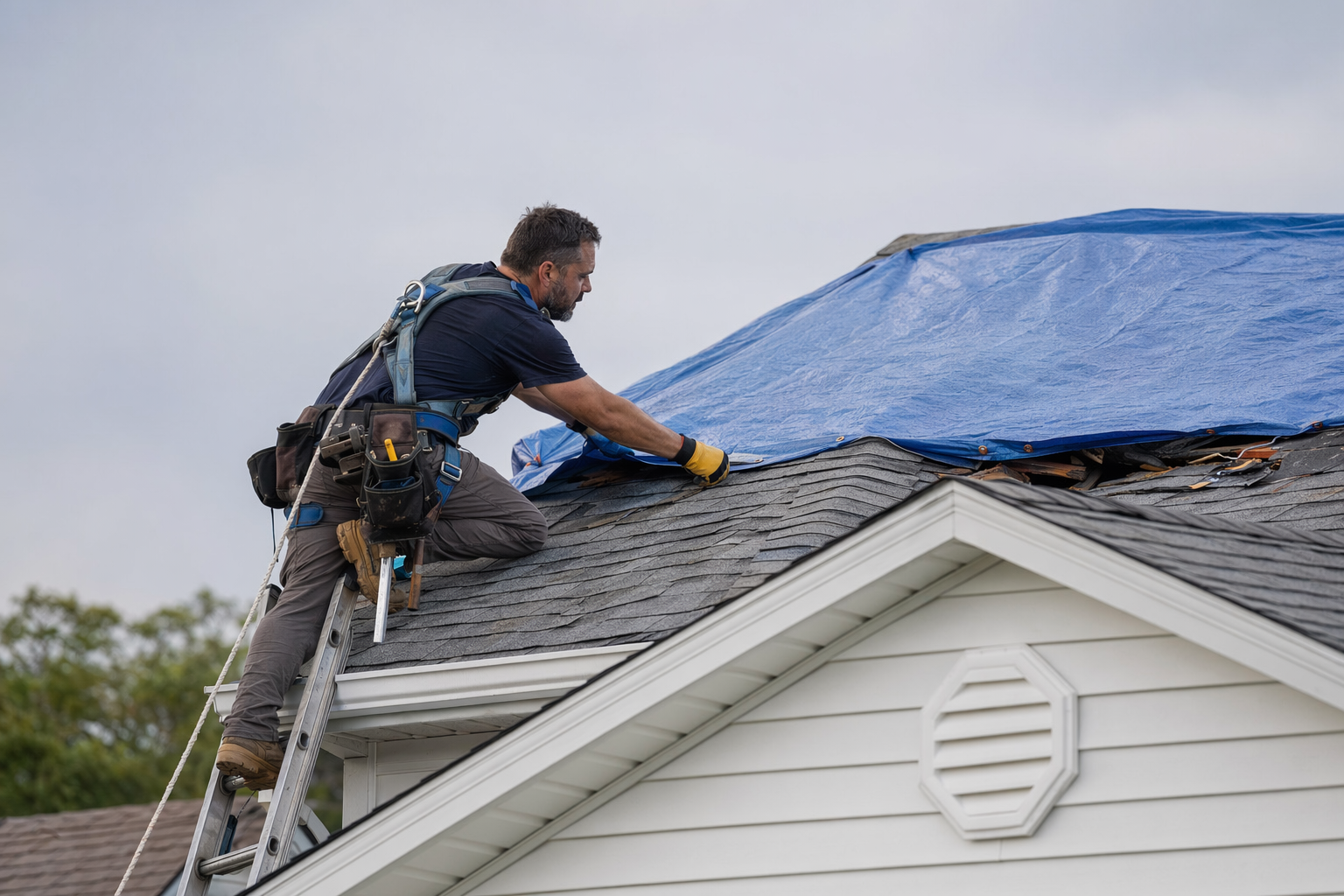
When it’s safe to do so, try to control the source of moisture (for example, covering a damaged section with a tarp) without putting yourself at risk. Avoid throwing away damaged materials right away—you may need them for documentation. Taking clear photos and notes can help professionals later.
If anyone has to stay in the home, ensure basic ventilation and keep indoor areas as dry as possible. Don’t run fans into heavily contaminated areas; a restoration pro can advise if there’s mold risk. If you prefer guidance in Spanish or another language, we can help you find support during the matching process.
Create a simple record of what happened. Take wide and close-up photos of the roof area, ceilings, walls, floors, and any belongings affected. Note dates and times, the storm event (if applicable), and any visible signs like staining, bubbling paint, or warped materials.
If you have an insurance claim, your insurer often asks for this information. While we can’t advise on claim approval, good documentation can make the process smoother. Keep receipts for temporary measures (like tarps, dehumidifiers, or emergency water removal) if your policy permits reimbursement.
For a helpful checklist, see what to do now for step-by-step actions after property damage.
Water can start causing structural and material damage quickly. Restoration teams may use devices like dehumidifiers and air movers to remove moisture from the air and building materials. They also use moisture meters (tools that measure how wet materials are) to confirm when areas are truly dry.
Because roof leaks vary widely, costs can vary a lot by location and severity. As a rough US estimate, basic water extraction and drying for a small affected area often starts around a few hundred to a couple thousand dollars, while larger or more complex jobs can run into several thousand or more. If there’s significant demolition (for example, removing soaked drywall or insulation), the range can increase. Your final cost depends on the materials affected, whether mold is present, and how quickly drying begins.
If you’re deciding who to call, you can explore services to understand the typical stages of restoration, from mitigation to drying and repairs.
Steady Restore helps you find certified home restoration professionals near you. The service is free for property owners, and professionals pay a flat fee to be listed—never a percentage of your project.
When you request matches, you’ll share general contact details and basic information about the damage (for example: roof leak vs. storm, what areas are affected, and when it started). We do not ask for medical or identity records.
To get started, visit get-matched. You can also review guides to learn what to ask before work begins, how to think about drying vs. repairs, and how to prepare your home for an inspection.
The sooner you begin water control and drying, the better. Water can spread and cause damage quickly, so it’s a good idea to act the same day if the leak is active and safe to do so. A certified restoration pro can assess how far moisture has traveled.
Yes, it can be. Staining may remain after drying, and sometimes underlying materials need removal or treatment. Professionals often check moisture levels to confirm drying progress rather than relying only on visible staining.
Mitigation is the early effort to reduce further damage—such as stopping the water source when possible, removing standing water, beginning drying, and preventing additional problems like secondary moisture damage or mold risk.
Costs vary by case, property type, city/state, and how much material is affected. As broad US estimates: small drying and water removal can start around a few hundred to a couple thousand dollars, and more extensive damage can reach several thousand or more. A pro can assess your specific situation after inspecting the property.
What to do if your basement floods Clear, calm, plain-language guidance from Steady Restore - an
What to do right after a house fire Clear, calm, plain-language guidance from Steady Restore - a
What to do when sewage backs up into your home Clear, calm, plain-language guidance from Steady
Free for property owners. Certified, insured pros. No pressure.