What to do if your basement floods
What to do if your basement floods Clear, calm, plain-language guidance from Steady Restore - an
Water damage can look simple on the surface, but professionals often describe it using two different ideas: **class** and **category**. Class is about how much water got into the structure and how hard it may be to dry. Category is about how contaminated the water may be. Knowing the difference can help you understand what a restoration team is talking about, what steps may be needed, and why costs can vary from one home to another.
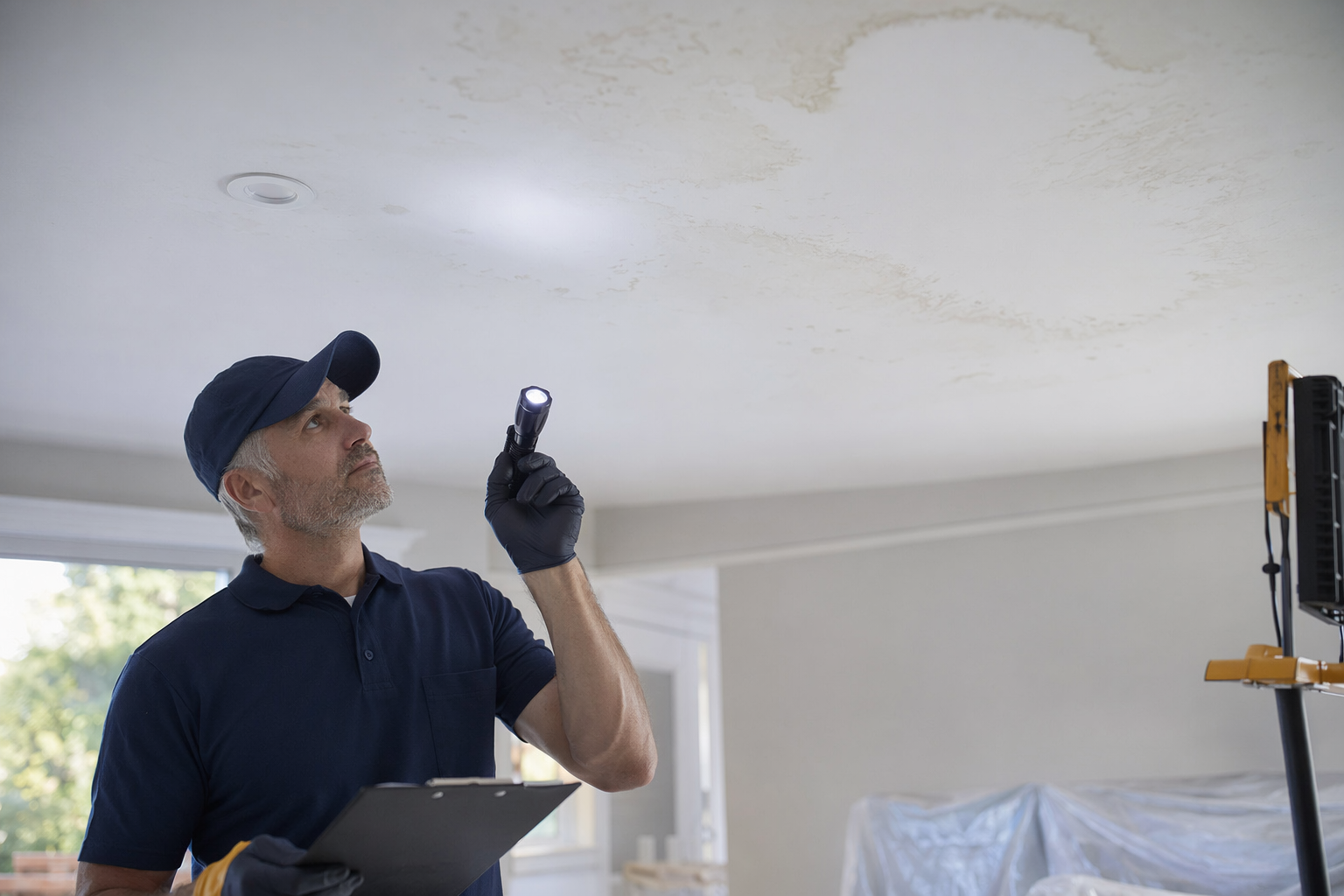
A water damage class is a way to describe the amount of water absorbed by building materials and how much evaporation, or drying into the air, is expected during cleanup. In plain language, class helps explain how wet the structure is and how difficult drying may be.
A water damage category describes the source of the water and the likely level of contamination. For example, clean water from a broken supply line is different from wastewater from a drain backup. A professional may talk about both class and category because both affect the work plan.
If you are dealing with active water, the first priority is safety and stopping the source if you can do so safely. Then document the damage with photos and consider reviewing what to do now or getting help through our free matching service. Help may also be available in your preferred language.
Class 1 is the least severe in terms of water spread and absorption. It usually affects a smaller area, with little moisture in materials that soak up water slowly, such as some structural surfaces. Drying is often more straightforward when the issue is found quickly.
Class 2 means water has affected a larger area and may have soaked into carpeting, padding, walls, or insulation. There is more moisture in the structure, so drying usually takes more equipment and closer monitoring.
Class 3 is more extensive. Water may have come from overhead or saturated ceilings, walls, insulation, flooring, and other porous materials. Porous means materials that can absorb water, like drywall, carpet, and some wood products. This level often requires more demolition, drying equipment, and follow-up checks.
Class 4 involves materials that are harder to dry, such as hardwood, plaster, brick, stone, or crawl spaces with trapped moisture. Even if the visible area does not look large, these dense materials can hold water deeply, so drying may take specialized methods and more time.
The class can affect how many technicians, fans, dehumidifiers, and moisture checks are needed. A dehumidifier is a machine that pulls water vapor out of the air to help wet materials dry. Higher classes usually mean more labor, more equipment, and more daily monitoring.
As a very general US estimate, smaller and less severe water damage may cost around $1,300 to $3,500 to mitigate, while moderate to more extensive jobs can range from about $3,500 to $8,000 or more. Large losses, major tear-out, contamination, or specialty drying can push costs well beyond that. These are not quotes or guarantees. Actual cost depends on the source of water, how long it sat, what materials were affected, local labor rates, and your city and state.
Repairs are often separate from mitigation. Mitigation means the immediate work to stop damage from getting worse, remove water, dry the structure, and reduce the risk of mold. Rebuilding walls, flooring, cabinets, or finishes may add significantly to the total project cost.
People often think severity means the floor is covered in water, but hidden moisture can matter just as much. Water can wick, or travel upward and outward, into drywall, trim, insulation, subfloors, and cabinets. A room with only a small visible puddle can still have a higher class if materials are saturated behind the scenes.
Time also matters. Water that sits longer can spread farther, damage more materials, and sometimes become more contaminated. That is one reason a professional may use moisture meters, thermal cameras, or small inspection openings to understand the true extent of the damage.
If the water came from a questionable source, category may be as important as class. You can learn more about common restoration services and compare general guidance in our guides.
You may want professional help if water affected drywall, insulation, hardwood, ceilings, multiple rooms, or any area hidden from view. The same is true if there is a musty odor, visible staining that keeps growing, or concern about gray or black water. Gray water means water that may contain contaminants, such as from appliances or some drain issues. Black water is heavily contaminated water, such as sewage.
Certified restoration professionals can inspect moisture levels, explain the likely class and category, and build a drying plan. Steady Restore is not a restoration contractor. We provide general educational information and a free way for property owners in the US to get matched with certified restoration professionals. Pros pay a flat fee to participate, never a percentage.
If you want, you can get matched and share basic contact and property details. We only ask for general contact information needed to help connect you. We do not need medical records or identity documents, and help may be available in your own language.
Not always. A higher class usually means more water has been absorbed and drying may be harder, but danger also depends on the water category, electrical risks, structural damage, and whether contamination is present. A smaller loss with sewage can be more hazardous than a larger clean-water loss.
The class reflects current conditions, so the situation can become more severe as water spreads into more materials. Also, clean water can become more contaminated if it sits, moves through dirty materials, or mixes with wastewater. That is one reason quick action matters.
Coverage depends on the cause of loss and your policy terms, not just the class. Sudden and accidental events are often treated differently from long-term leaks, flooding from outside, or maintenance issues. Your carrier or agent can explain your specific coverage.
For a very small, clean-water spill on easy-to-dry surfaces, basic cleanup may be possible. But if water reached walls, insulation, wood floors, ceilings, or multiple rooms, or if the source may be contaminated, professional drying is often safer and more effective. Hidden moisture is easy to miss without proper tools.
What to do if your basement floods Clear, calm, plain-language guidance from Steady Restore - an
What to do right after a house fire Clear, calm, plain-language guidance from Steady Restore - a
What to do when sewage backs up into your home Clear, calm, plain-language guidance from Steady
Free for property owners. Certified, insured pros. No pressure.