What to do if your basement floods
What to do if your basement floods Clear, calm, plain-language guidance from Steady Restore - an
Cleaning up after property damage can expose you to hidden risks, even when the damage looks small. Wet materials, broken building parts, soot, dust, and contaminated water can all affect your health and safety. Knowing the main hazards can help you decide what is safe to handle yourself and when it makes sense to bring in trained help. Steady Restore is a free information and matching service for property owners in the US. We share general educational information only, and if you want, we can help you [get matched](/get-matched/) with certified restoration professionals near you. Help may be available in your preferred language.
Before cleanup begins, make sure the property is safe to enter. If you smell gas, see sagging ceilings, notice major cracks, or suspect electrical damage, leave the area and contact the utility company, fire department, landlord, or emergency services as appropriate. Do not turn power back on in a wet area unless a qualified electrician says it is safe.
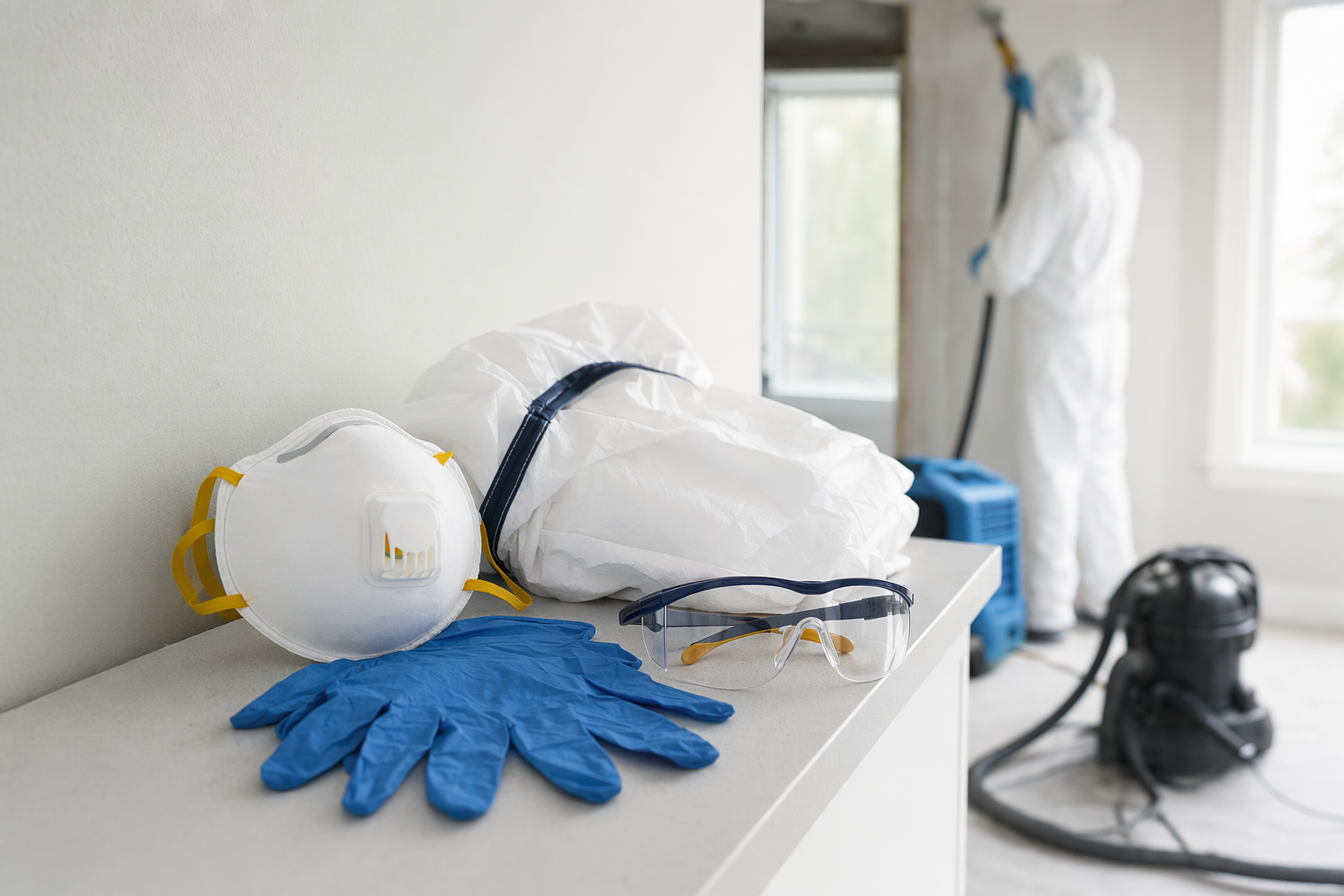
Wear basic protective gear for any cleanup task. This may include gloves, sturdy shoes or boots, eye protection, and an N95 mask, which is a face covering designed to filter many small airborne particles. If children, older adults, pregnant people, or anyone with asthma or a weakened immune system is in the home, take extra care around dust, mold, and contaminated water.
Not all water damage is the same. Clean water may come from a supply line, while gray water may contain soap, food waste, or appliance discharge, and black water may contain sewage or floodwater. Gray water and black water can carry bacteria, viruses, and other harmful contaminants, so direct contact should be avoided.
If water has been sitting for more than a day or two, or if it came from a sewer backup, toilet overflow with waste, river flooding, or storm surge, the cleanup risk is usually higher. Porous materials, which are absorbent items like carpet, insulation, ceiling tile, and drywall, may need to be removed because they can trap moisture and contamination. You can read more about immediate steps at what to do now.
Mold can begin growing within 24 to 48 hours after moisture exposure. It often appears as spotting or discoloration, but sometimes it is hidden behind walls, under flooring, or inside cabinets. Breathing mold spores, which are tiny airborne reproductive particles, may irritate the eyes, nose, throat, and lungs, especially for people with allergies, asthma, or other breathing conditions.
After a fire, soot and smoke residue can also create breathing and skin irritation. Soot is a fine black powder made from incomplete burning. It can spread far beyond the burned room through the air system and on surfaces. Sweeping or dry brushing can send particles back into the air, so cleanup should be approached carefully. For more on damage types, visit services and guides.
Damage is not always obvious from the surface. Water can weaken subfloors, stairs, drywall, and ceilings, while fire can affect framing and fasteners even after flames are out. Structural damage means parts of the building may no longer safely support weight. If floors feel soft, doors suddenly do not close correctly, or ceilings bulge or droop, stop and get a professional opinion.
Electrical hazards are another major concern. Water inside outlets, appliances, extension cords, and breaker panels can create shock or fire risks. Never use wet appliances or plug devices into an area that may have hidden moisture. If there was flooding, roof leaks near wiring, or fire damage, it is often safest to have the electrical system checked before cleanup continues.
Some cleanup jobs are manageable, but others are safer with certified help. Consider professional help for sewage backups, floodwater, large areas of mold or soot, hidden moisture inside walls, strong odors, or any situation involving possible structural or electrical danger. Certified restoration professionals may use moisture meters, which are tools that check for trapped water, along with specialized drying, cleaning, and containment methods.
Costs vary widely by the type of damage, the size of the property, materials affected, and your city and state. As a general US estimate, minor water cleanup may start around a few hundred dollars, while larger drying, demolition, mold remediation, or fire cleanup projects can run from about $1,500 to $10,000 or much more in severe cases. These are not quotes or guarantees. If you want help comparing options, you can get matched for free with certified local professionals; Steady Restore does not do the restoration work, and property owners do not pay us for matching.
Sometimes, but it depends on the source and size of the damage. Small spills from a clean source may be manageable with quick drying and protective gear. Sewage, floodwater, long-standing water, electrical concerns, or hidden moisture usually call for professional assessment.
Water is more likely to be contaminated if it came from a toilet overflow with waste, a sewer backup, outdoor flooding, storm surge, or if it sat for more than 24 to 48 hours. When in doubt, avoid skin contact and treat it as a higher-risk situation.
For basic cleanup, many people use gloves, boots, eye protection, and an N95 mask. In higher-risk situations, more protective equipment may be needed. If you are unsure, it may be safer to stop and ask a qualified professional.
Steady Restore is not a restoration contractor. We provide general educational information and a free matching service to help property owners in the US connect with certified restoration professionals. We only ask for general contact details, and help may be available in your own language.
What to do if your basement floods Clear, calm, plain-language guidance from Steady Restore - an
What to do right after a house fire Clear, calm, plain-language guidance from Steady Restore - a
What to do when sewage backs up into your home Clear, calm, plain-language guidance from Steady
Free for property owners. Certified, insured pros. No pressure.