What to do if your basement floods
What to do if your basement floods Clear, calm, plain-language guidance from Steady Restore - an
Restoration work after property damage is meant to make your home safe again. While professionals handle the cleanup and repairs, there are steps you can take right away to help protect your family during the process—especially if there’s mold, smoke, water damage, or dust and debris.
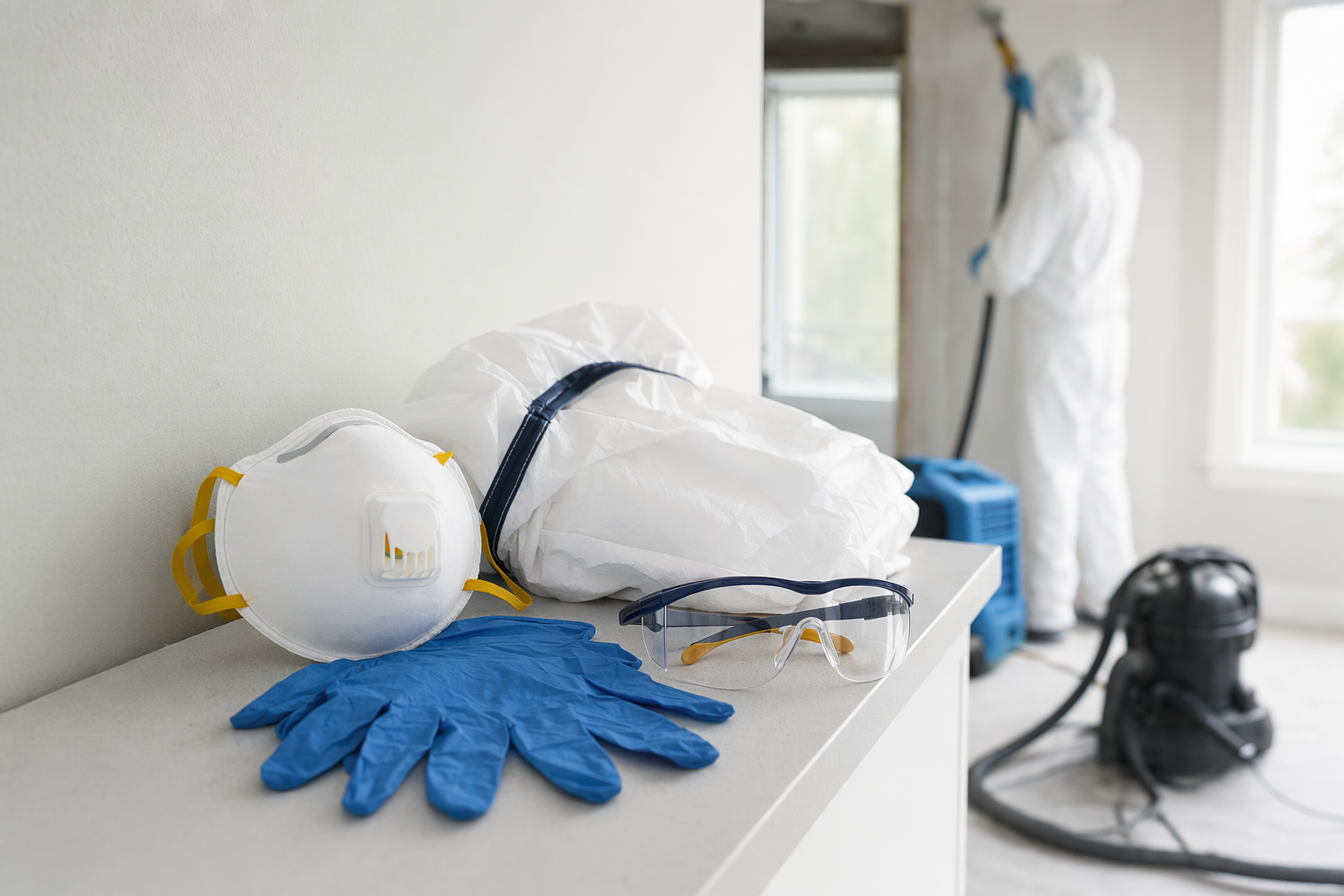
Before work begins, ask your restoration contractor to explain the plan for the specific hazards in your home. Common hazards include airborne dust, moisture-related mold risk, chemical odors, and strong fumes from drying equipment. If you’re unsure, you can use this checklist approach to organize questions: what to do now.
A practical safety plan usually includes where family members should stay, how areas will be separated, and what happens if the air quality worsens. If children, older adults, or anyone with breathing concerns lives in the home, consider staying out of the work area until professionals confirm conditions are safe.
Containment is a big part of safety. Containment means keeping dust and contaminated air inside the damaged area using barriers, sealed doors, and controlled airflow—so it doesn’t spread to clean rooms. Professionals should set up this protection before they start major removal or demolition.
In the meantime, keep pets and family out of the work zone. Close doors, follow posted warnings, and avoid walking through plastic barriers unless staff instruct you. If you have to go in briefly (for example, to retrieve items), ask for guidance first—professionals can often help you do this with minimal dust exposure.
During restoration, you may encounter dust from drywall or insulation removal, and strong odors from drying and cleaning products. Ventilation matters, but “more fans” isn’t always the right approach—fans and airflow need to be managed so contaminated air doesn’t spread.
If you notice heavy dust, lingering chemical smells, or visible moisture, it’s a sign to pause household traffic and ask staff how they’re controlling the issue. For mold-related concerns, remember that mold is often a health concern due to spores and irritation—keeping the affected area contained and dry helps reduce exposure. For a calm overview of common restoration steps, see services.
When you’re choosing professionals, look for credentials that show they’re trained for restoration work—not just general repairs. Many certified companies use industry-standard methods for inspection, containment, cleaning, drying, and verification. A trusted place to compare options is a matching service like Steady Restore: get matched.
You can also ask whether they follow written safety procedures, how they handle air filtration (often using HEPA—High-Efficiency Particulate Air—meaning it captures very fine particles), and what they do to prevent cross-contamination between clean and contaminated areas. Keep in mind: costs and job size vary widely by case, city/state, and the extent of damage.
Good communication reduces stress. Keep a simple list of questions you want answered before each phase—demolition/removal, drying, cleaning, and repairs. For helpful guidance, review our guides and use the what to do now steps to stay organized.
If you prefer, you can request explanations in your own language. Clear, plain-language updates help everyone understand what’s happening, what areas are off-limits, and when it’s appropriate to return to normal routines.
Some hazards are delayed, especially moisture-related problems. Professionals should explain how they confirm drying progress and document conditions before repairs begin. For example, drying verification may involve measuring moisture levels (how wet materials remain) so they can target the right drying time.
If you notice recurring odors, persistent dampness, or new staining after crews leave, contact the restoration team promptly. While the goal is to make the home safe again, your specific timeline and results depend on the type of damage, materials involved, and local conditions.
Often it depends on the type of damage and how containment and air filtration are set up. Many households can remain in part of the home, while the work zone stays isolated. Ask the professionals to describe the plan for separation, ventilation, and when it’s appropriate to return to specific rooms.
Containment means creating barriers—like sealed doors and plastic sheeting—around the damaged area to keep dust and contaminated air from spreading into clean parts of the home.
Yes, but they’re only estimates. Costs often vary by the type and size of the damage (for example, water vs. fire), the number of affected rooms, local labor and materials in your area, and whether special containment and air filtration are needed. Your best next step is to get matched with certified professionals who can review your situation.
Steady Restore is a free matching service for property owners. You share general contact details and basic info about the damage, and we help connect you with qualified, certified restoration professionals in your area. Start here: [get matched](/get-matched/).
What to do if your basement floods Clear, calm, plain-language guidance from Steady Restore - an
What to do right after a house fire Clear, calm, plain-language guidance from Steady Restore - a
What to do when sewage backs up into your home Clear, calm, plain-language guidance from Steady
Free for property owners. Certified, insured pros. No pressure.