What to do if your basement floods
What to do if your basement floods Clear, calm, plain-language guidance from Steady Restore - an
Mold can grow when moisture remains in a home after a leak, flood, or storm. The good news: with quick action and the right drying steps, you can often reduce the risk. This guide from Steady Restore explains what to do next in clear, plain language—so you feel more in control.
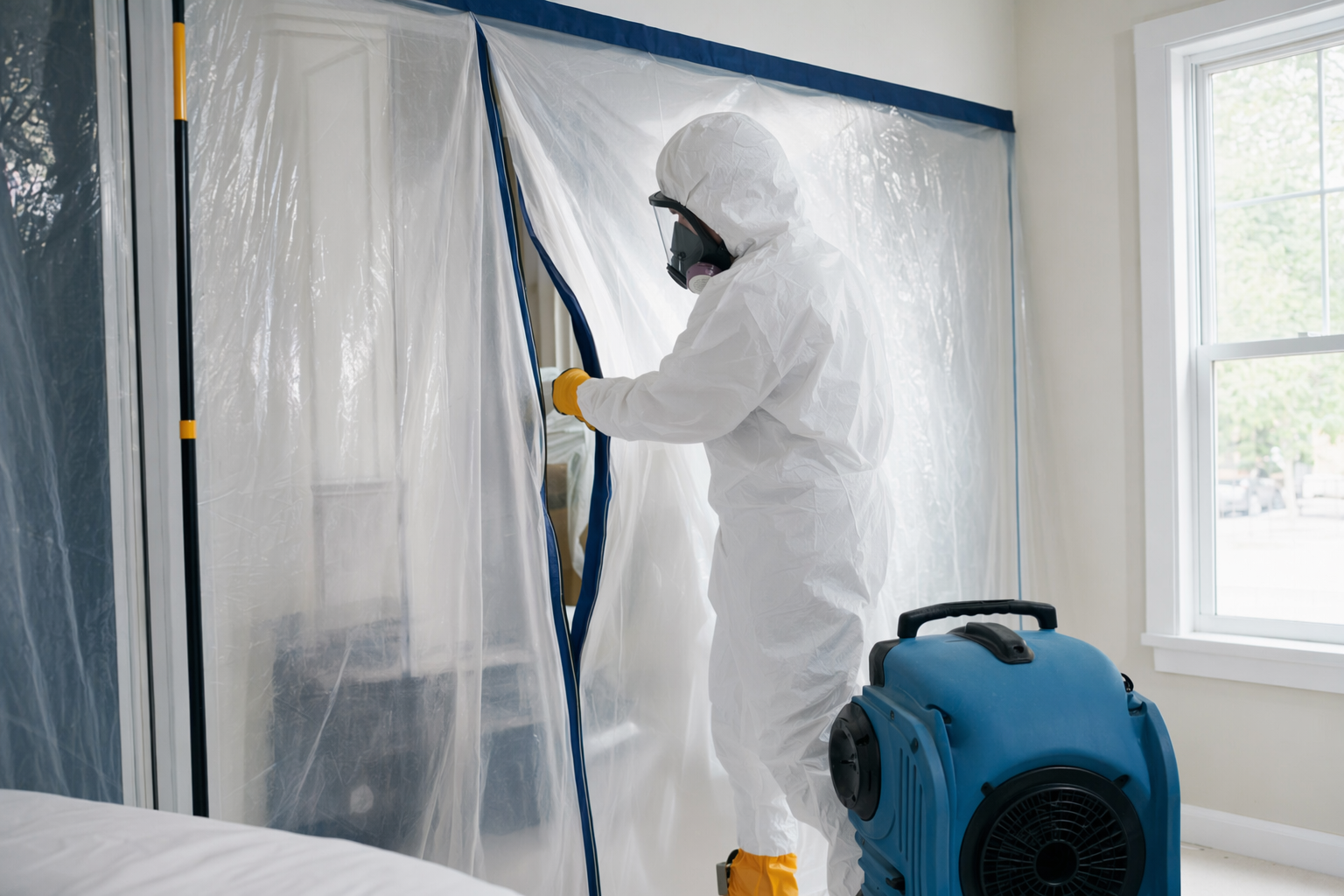
If you can, start drying as soon as it’s safe to do so. Mold spores are often already present in the air, but they need moisture to grow. The faster you remove water and dry materials, the lower the chance mold will develop.
If water damage is ongoing (for example, a leaking pipe), stop the source first—then focus on drying. For safety, avoid running electrical equipment in wet areas and follow local guidance if the power or water is contaminated.
Many materials—like drywall, insulation, and carpeting—can hold moisture inside even after the surface appears dry. Drying thoroughly usually means using dehumidifiers and fans and monitoring moisture levels.
If you’re deciding whether to hire help, consider getting a certified restoration professional assessment, especially for category 2 or category 3 water (often described as “significantly contaminated” or “highly contaminated”). Water categories vary, so a pro can explain what applies to your situation after they inspect the home.
To prevent mold, aim to keep indoor humidity down and maintain airflow. Dehumidifiers pull moisture from the air, while fans help air move through affected areas.
It’s also helpful to avoid closing doors or blocking airflow to damaged rooms. If you can, remove wet contents (when safe) and separate undamaged items so they aren’t exposed to moisture during the drying process.
Some materials are easier to fully dry, while others may need removal if they remain wet or porous (meaning they can absorb water). Porous items like certain insulation, damaged drywall, or heavily soaked carpeting may require replacement to reduce mold risk.
A certified restoration professional can identify which materials are likely salvageable and explain why. In many cases, early decisions help prevent hidden moisture from lingering behind walls or under floors.
If the affected area is large, the water was contaminated, or you’re seeing recurring odors, warping, bubbling, or ongoing dampness, it’s smart to get trained help. A restoration pro can inspect, help with safe drying, and advise next steps.
Steady Restore is a free information and matching service that connects you with certified home restoration professionals in your area. If you want, you can get-matched—share general contact details and basic property damage info. If you’d like a calm checklist first, start with what-to-do-now.
Mold can begin growing within 24–48 hours when materials stay wet. Timing varies based on temperature, humidity, airflow, and what was soaked (and how much). That’s why quick drying and moisture monitoring matter.
Drying focuses on removing water and reducing moisture so materials don’t stay damp. Fixing water damage may also include repairing the source leak, replacing damaged materials, and cleaning contaminated surfaces. A restoration professional can explain the steps for your specific situation.
Small spots may be manageable in some cases, but it’s important to address the moisture problem first. If the area is more than a small spot, the water was contaminated, or you’re not sure what’s causing dampness, it’s safer to call a certified restoration pro for inspection and guidance.
Costs vary widely by property type, the extent of damage, city/state, and whether materials need removal or replacement. As general estimates in the US, drying and remediation work commonly ranges from a few hundred to several thousand dollars, and larger losses can be higher. For more context, see [guides](/guides/).
What to do if your basement floods Clear, calm, plain-language guidance from Steady Restore - an
What to do right after a house fire Clear, calm, plain-language guidance from Steady Restore - a
What to do when sewage backs up into your home Clear, calm, plain-language guidance from Steady
Free for property owners. Certified, insured pros. No pressure.