What to do if your basement floods
What to do if your basement floods Clear, calm, plain-language guidance from Steady Restore - an
Maybe, but not always. After water damage, the safest choice depends on where the water came from, how much of the home is affected, and whether there are electrical, structural, or air-quality risks. Small clean-water leaks may be manageable for a short time, while sewage backups, flooding, ceiling sagging, or widespread wet materials can make a home unsafe quickly. Steady Restore is a free information and matching service for property owners in the US. We share general educational guidance only, and we can help you [get matched](/get-matched/) with certified restoration professionals near you. Help is available in your own language, and we only ask for basic contact details.
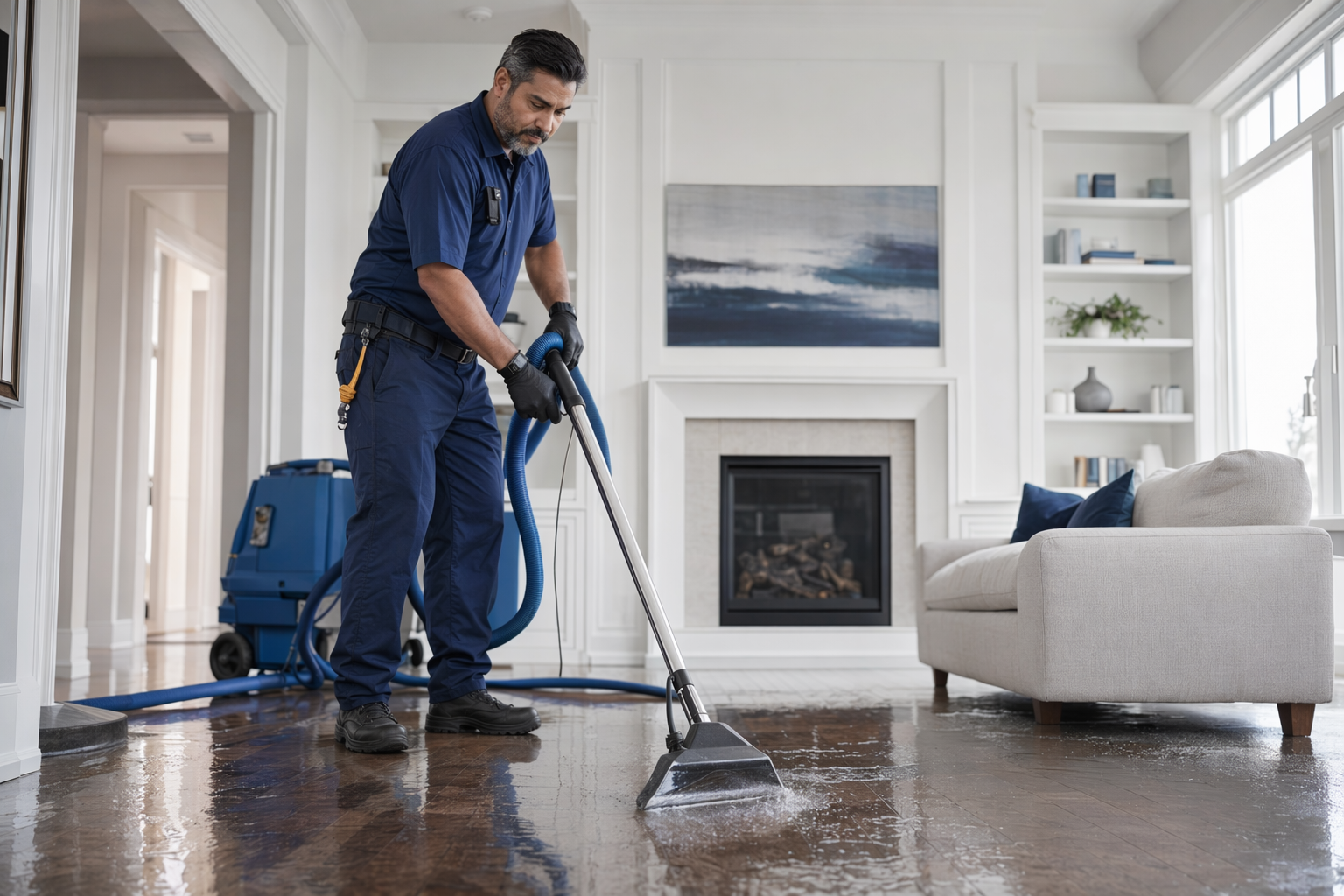
In some situations, people can remain at home for a short time after water damage. This is more likely when the water is clean water from a broken supply line, sink overflow, or appliance leak, the affected area is small, power is safely controlled, and there is no damage to ceilings, floors, or walls that could collapse.
Even then, use caution. Keep children, older adults, and pets away from wet areas. If possible, shut off electricity to affected rooms, move belongings to a dry space, and start drying right away. If you are unsure what is wet behind walls or under flooring, it is smart to have a professional assess it.
You should strongly consider leaving, or at least staying out of damaged areas, if the water involves gray water or black water. Gray water means wastewater that may contain contaminants, such as from washing machines or dishwashers. Black water means heavily contaminated water, such as sewage or floodwater from outside. Both can carry bacteria, viruses, or other harmful substances.
You should also leave or call for urgent help if you notice sparks, outlets near water, a gas smell, a sagging ceiling, soft or buckling floors, major leaks near light fixtures, or visible contamination. If anyone in the home has asthma, allergies, a weakened immune system, or breathing trouble, take extra care because damp conditions can worsen symptoms.
One major risk is electrical shock. Water can reach outlets, wiring, appliances, and breaker panels. If water is near anything electrical, do not step into standing water or touch switches in that area until a qualified professional says it is safe.
Another risk is structural damage, which means the home’s building materials may have weakened. Wet drywall can crumble, ceilings can sag, and subfloors can soften. There is also a mold risk. Mold is a type of fungus that can begin growing within 24 to 48 hours in damp materials. You may not always see it right away, especially inside walls, under flooring, or behind cabinets.
Ask yourself a few basic questions: Is the water clean, or could it be contaminated? Is the damage limited to one small area, or spread through several rooms? Are any outlets, lights, appliances, or the breaker panel near water? Do you smell sewage, gas, or a strong musty odor? Are ceilings drooping or floors soft? If the answer to any of these raises concern, it is safer to get expert help before staying in the space.
If the situation seems minor, you can review what to do now and keep monitoring conditions. If the damage is larger, spreading, or hard to judge, a certified restoration professional can inspect moisture levels, check hidden damage, and explain safe next steps in plain language.
Water damage cleanup often includes water extraction, drying equipment, moisture testing, removal of damaged materials, cleaning, and repairs. For smaller clean-water losses, mitigation work may sometimes fall around $1,300 to $3,500. Moderate losses affecting multiple materials or rooms may range roughly from $3,500 to $8,000 or more. Sewage cleanup, flood contamination, or major tear-out and rebuild can cost much more, sometimes $8,000 to $20,000+ depending on the home, materials, city, and state.
These are estimates, not quotes or guarantees. Actual cost depends on the source of water, how long materials stayed wet, the size of the affected area, local labor rates, and what needs to be removed or rebuilt. If you want help finding local certified professionals, you can get matched for free, or learn more about services and additional guides.
If the water came from a toilet overflow with waste, a sewer backup, outside flooding, or water that has been sitting for a long time, treat it as contaminated. Water from dishwashers, washing machines, and some drain backups may also be unsafe. When in doubt, avoid contact and ask a professional to assess it.
Possibly, if the damage is truly limited, the water is clean, electricity is safe, and there is no ceiling, flooring, or contamination concern. Keep the room isolated, avoid using affected outlets or appliances, and watch for odors, new stains, or spreading moisture. If conditions change, reassess quickly.
No, not guaranteed, but the risk rises fast if materials stay damp. Mold can begin growing within 24 to 48 hours in the right conditions. Fast drying and proper cleanup reduce the risk, but hidden moisture behind walls or under floors can still cause problems.
We only ask for general contact details and basic information about the property damage so we can help connect you with certified restoration professionals. We do not ask for medical records or identity records. Our service is free for property owners, and help may be available in your preferred language.
What to do if your basement floods Clear, calm, plain-language guidance from Steady Restore - an
What to do right after a house fire Clear, calm, plain-language guidance from Steady Restore - a
What to do when sewage backs up into your home Clear, calm, plain-language guidance from Steady
Free for property owners. Certified, insured pros. No pressure.