What to do if your basement floods
What to do if your basement floods Clear, calm, plain-language guidance from Steady Restore - an
Choosing a restoration company after water, fire, mold, storm, or sewage damage can feel overwhelming, especially when you are already dealing with a stressful situation at home. A trustworthy company should explain the work clearly, show the right credentials, communicate respectfully, and give you enough information to make your own decision without pressure. Steady Restore is a free information and matching service for property owners in the US. We share general educational guidance and can help you connect with certified restoration professionals in your area. Help is available in your own language, and we only ask for basic contact details so a professional can reach you.
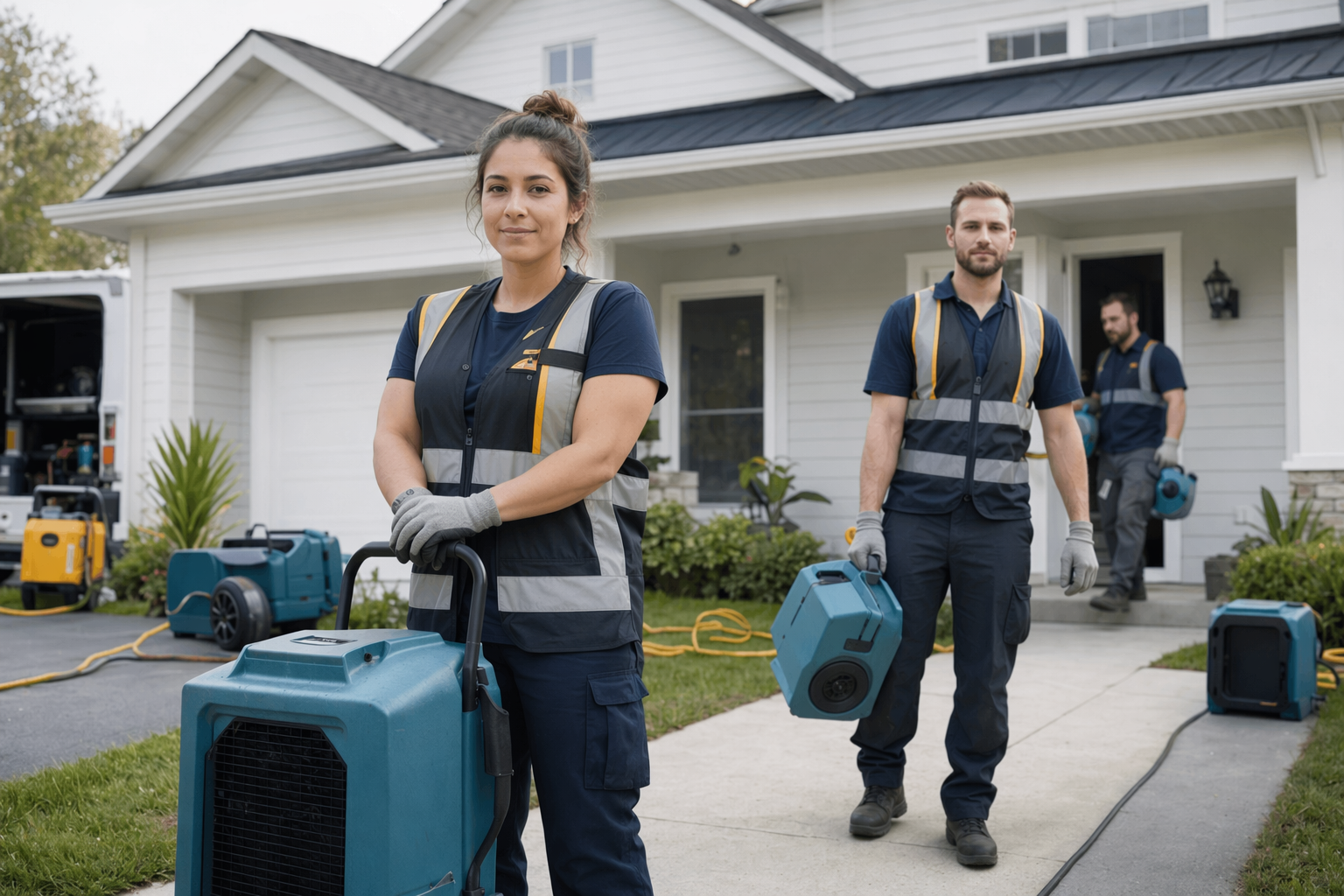
A good first step is checking whether a company has professional training for restoration work. In this field, “certified” usually means technicians have completed industry training for specific damage types, such as water damage, fire and smoke cleanup, mold remediation, or contents cleaning. You can also ask whether the company is properly licensed for your state if licensing applies there, and whether it carries general liability and workers’ compensation insurance.
It is reasonable to ask who will actually be doing the work in your home. Some companies use their own trained crews, while others subcontract part of the job to outside workers. Neither is automatically bad, but you should know who is responsible, what training they have, and who to contact if questions come up.
A company you can trust should be willing to inspect the damage, explain what they see in plain language, and walk you through the next steps. If they use technical words, they should explain them. For example, “mitigation” means the immediate work done to reduce further damage, like removing standing water, drying materials, or boarding up an opening after a storm.
Be cautious if a company pushes you to sign immediately, avoids answering questions, or makes promises that sound too certain. No honest restoration professional can guarantee an exact final cost, a specific insurance result, or a perfect timeline before the work is fully understood. It is okay to slow down, ask for details in writing, and compare options before deciding. You can also review what to do now if you need help organizing the first steps.
Before work begins, ask for a written scope of work. This is a plain list of what the company plans to do, what materials may be removed or saved, what equipment may be used, and what is not included. A trustworthy company should be able to explain why each step is recommended and what might change if hidden damage is found later.
Costs vary a lot by damage type, property size, materials, access, and local labor rates. As a rough US estimate, smaller cleanup or drying jobs may start in the hundreds of dollars, while moderate restoration projects often fall in the low thousands to several thousand dollars, and major repairs or rebuild work can go much higher. These are only general ranges, not quotes or guarantees. If you want to compare services and next steps, you can visit services or guides.
Online reviews can be helpful, but try to look beyond the star rating alone. Read recent comments to see whether customers mention punctuality, communication, cleanliness, and follow-through. It can also help to ask for references from recent jobs similar to yours, especially for larger losses.
Pay attention to how the company handles the first conversation. Do they return calls promptly? Do they listen to your concerns? Do they explain whether emergency service is available? A trustworthy company does not need to be perfect, but it should be respectful, organized, and clear about what it can and cannot do.
Many restoration companies regularly work with insurance claims, and that experience can be useful. They may document damage, take moisture readings, provide photos, and communicate with your adjuster. A “moisture reading” is a measurement used to check how wet materials are and whether drying is working. That said, the company works for the job it is hired to do, and your insurer makes its own coverage decisions.
Be careful with any agreement you do not fully understand, especially if it gives broad control over your claim or repairs. Read documents closely and ask questions before signing. If you would like a free way to connect with certified professionals while keeping your options open, you can get matched.
Ask whether they are certified for the type of damage involved, whether they are licensed if your state requires it, whether they carry insurance, who will perform the work, what the written scope includes, how they document damage, and how they communicate about changes. You can also ask for references and whether they can explain everything in your preferred language.
Not always. A very low price may leave out important steps, equipment, safety measures, or follow-up work. A higher price is not automatically better either. The goal is to compare written scopes of work, credentials, communication, and overall professionalism, not just the bottom-line number.
No. A company may help document the damage and communicate with your insurer, but it cannot honestly guarantee coverage, approval, or the exact amount an insurance company will pay. Coverage depends on your policy, the cause of loss, and the insurer’s review.
Steady Restore is a free information and matching service for property owners in the US. We provide general educational information and can help connect you with certified restoration professionals. We do not charge property owners, professionals pay a flat fee, and we only ask for general contact details so someone can follow up.
What to do if your basement floods Clear, calm, plain-language guidance from Steady Restore - an
What to do right after a house fire Clear, calm, plain-language guidance from Steady Restore - a
What to do when sewage backs up into your home Clear, calm, plain-language guidance from Steady
Free for property owners. Certified, insured pros. No pressure.