What to do if your basement floods
What to do if your basement floods Clear, calm, plain-language guidance from Steady Restore - an
Water damage restoration cost can range from a few hundred dollars for minor cleanup to several thousand dollars for drying, repairs, and replacing damaged materials. In many US homes, smaller water losses may fall around $1,300 to $3,500, while larger or more complicated jobs can reach $5,000 to $15,000 or more. These are general estimates, not quotes, and the real cost depends on what got wet, how long the water sat, the type of water involved, and local labor and material prices.
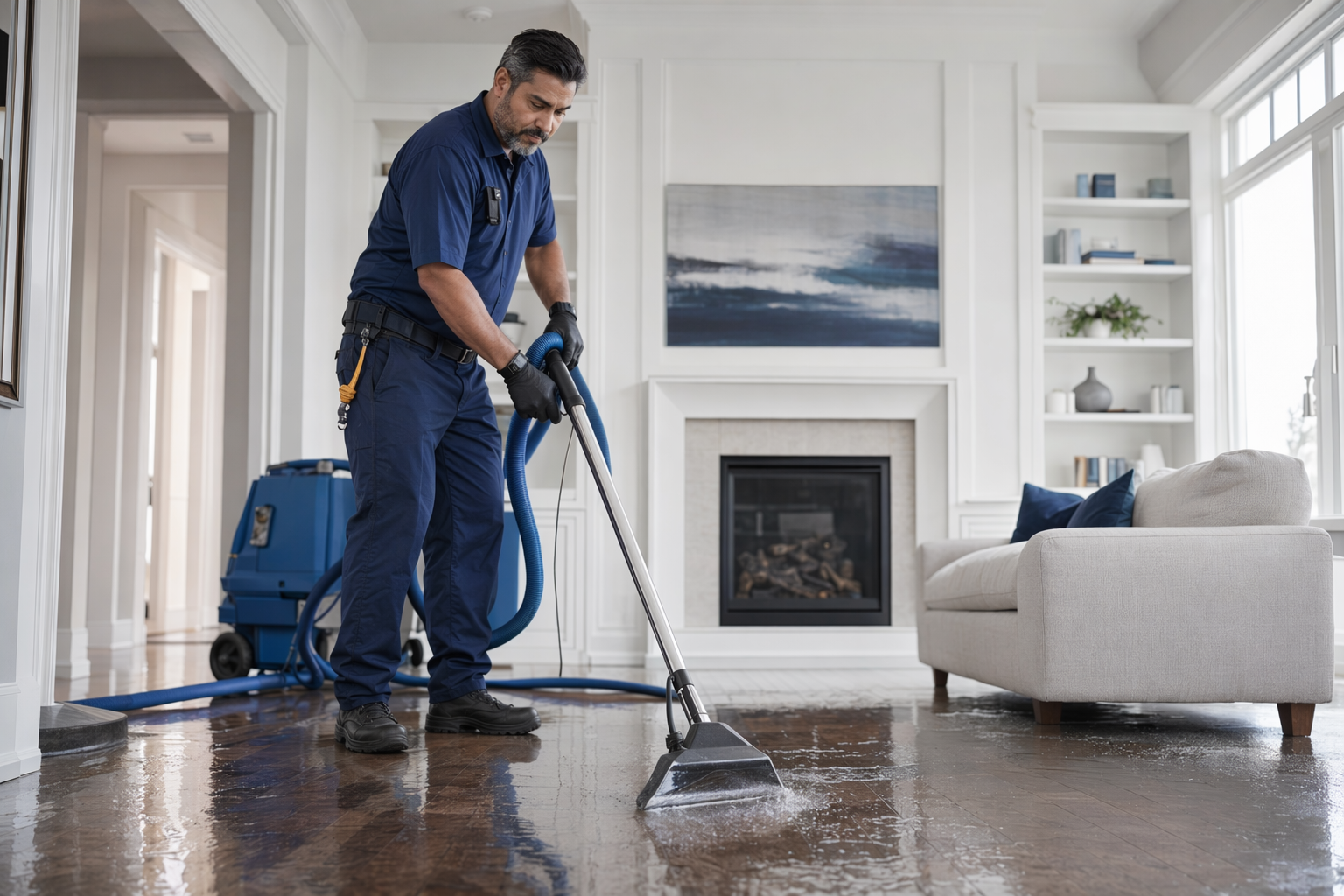
The biggest cost factor is usually how far the water spread and how deeply it soaked into the property. Water that stays on the surface is often less expensive to address than water that gets into drywall, insulation, flooring, cabinets, or the space under floors. The longer moisture remains, the more likely it is that extra drying, cleaning, and repair work will be needed.
Another major factor is the water category, meaning how contaminated the water may be. Clean water from a supply line is often simpler to handle than gray water, which may contain some contaminants, or black water, which can include sewage or floodwater and needs more careful safety steps. Costs also vary by home size, room type, city, state, and whether emergency after-hours service is needed.
For minor water damage in one small area, cleanup and drying may cost roughly $500 to $1,500. A moderate loss affecting one or two rooms, especially if part of the drywall, flooring, or baseboards must be removed and replaced, may cost around $1,500 to $6,000. More extensive losses involving several rooms, trapped moisture, damaged subfloors, or contaminated water can run from $5,000 to $15,000 or higher.
Drying equipment is often part of the bill. Air movers, which are high-powered fans, and dehumidifiers, which pull moisture from the air, may be used for several days. Some companies also charge for moisture mapping, meaning checks with specialized tools to find hidden wet areas in walls or floors. If you want help comparing options, Steady Restore offers a free way to get matched with certified restoration professionals near you.
Water damage work is often billed in stages. Emergency extraction, meaning removing standing water, may range from about $500 to $3,000 depending on how much water is present and how hard it is to access. Structural drying, which means drying the building materials themselves, may add roughly $1,000 to $4,000 or more. Tear-out of unsalvageable drywall, insulation, carpet, or padding can add several hundred to several thousand dollars depending on the size of the area.
Repairs are separate in many cases. Replacing drywall may cost about $1.50 to $3.50 per square foot for basic installation, while flooring replacement can vary widely, from a few dollars per square foot for some materials to much more for hardwood or tile. Mold remediation, meaning professional removal of mold growth, may add around $500 to $6,000 or more depending on spread and containment needs. You can learn the first steps to take at what to do now and read more about related services.
Homeowners insurance often covers sudden and accidental water damage, such as a burst pipe, but many policies do not cover flood damage from rising outside water unless you have separate flood insurance. Coverage also may be limited or denied for long-term leaks, deferred maintenance, or repeated seepage. Your deductible, meaning the amount you pay before insurance begins to pay, also affects your out-of-pocket cost.
It can help to document the damage early with photos, videos, and a simple list of affected rooms and items. Keep receipts for emergency steps that help prevent further damage if your policy allows them. A restoration professional may provide moisture readings and a scope of work, which is a written summary of the cleanup and repair plan, but coverage decisions are ultimately made by your insurer based on your policy.
Fast action can sometimes reduce the total bill. If it is safe, shut off the water source, move dry items away from the wet area, and contact a qualified professional as soon as possible. Hidden moisture behind walls, under flooring, or inside cabinets can continue causing damage even when surfaces look dry.
When you speak with a restoration company, ask what is included in the estimate, whether repairs are separate from drying, and how they document moisture. Steady Restore is a free information and matching service for property owners. We are not a restoration contractor, and we provide general educational information only, but we can help you get matched with certified professionals. Help is available in your own language, and we only ask for general contact details.
Many smaller residential jobs may fall around $1,300 to $3,500, but costs can be lower or much higher depending on the size of the loss, the water type, damaged materials, repairs needed, and where you live. These are estimates only, not quotes or guarantees.
Yes. Restoration usually refers to emergency water removal, drying, cleaning, and removing damaged materials. Repairs usually mean rebuilding, such as replacing drywall, flooring, cabinets, or paint. Some companies handle both, while others bill them separately.
Drying costs often range from about $1,000 to $4,000 or more for a typical residential loss, depending on the number of rooms, how wet the materials are, and how many days equipment is needed. Larger or more complex jobs can cost more.
Often, yes. Waiting can allow water to spread, soak deeper into materials, and increase the chance of structural damage or mold growth. Acting quickly does not guarantee a specific cost, but it may help limit the amount of work needed.
What to do if your basement floods Clear, calm, plain-language guidance from Steady Restore - an
What to do right after a house fire Clear, calm, plain-language guidance from Steady Restore - a
What to do when sewage backs up into your home Clear, calm, plain-language guidance from Steady
Free for property owners. Certified, insured pros. No pressure.