What to do if your basement floods
What to do if your basement floods Clear, calm, plain-language guidance from Steady Restore - an
Fire and smoke damage restoration can feel overwhelming. This guide breaks down the main cost drivers—so you can plan calmly and ask the right questions when you meet a certified professional. If you’d like help comparing options, Steady Restore is free for property owners and can match you with qualified local restoration experts.
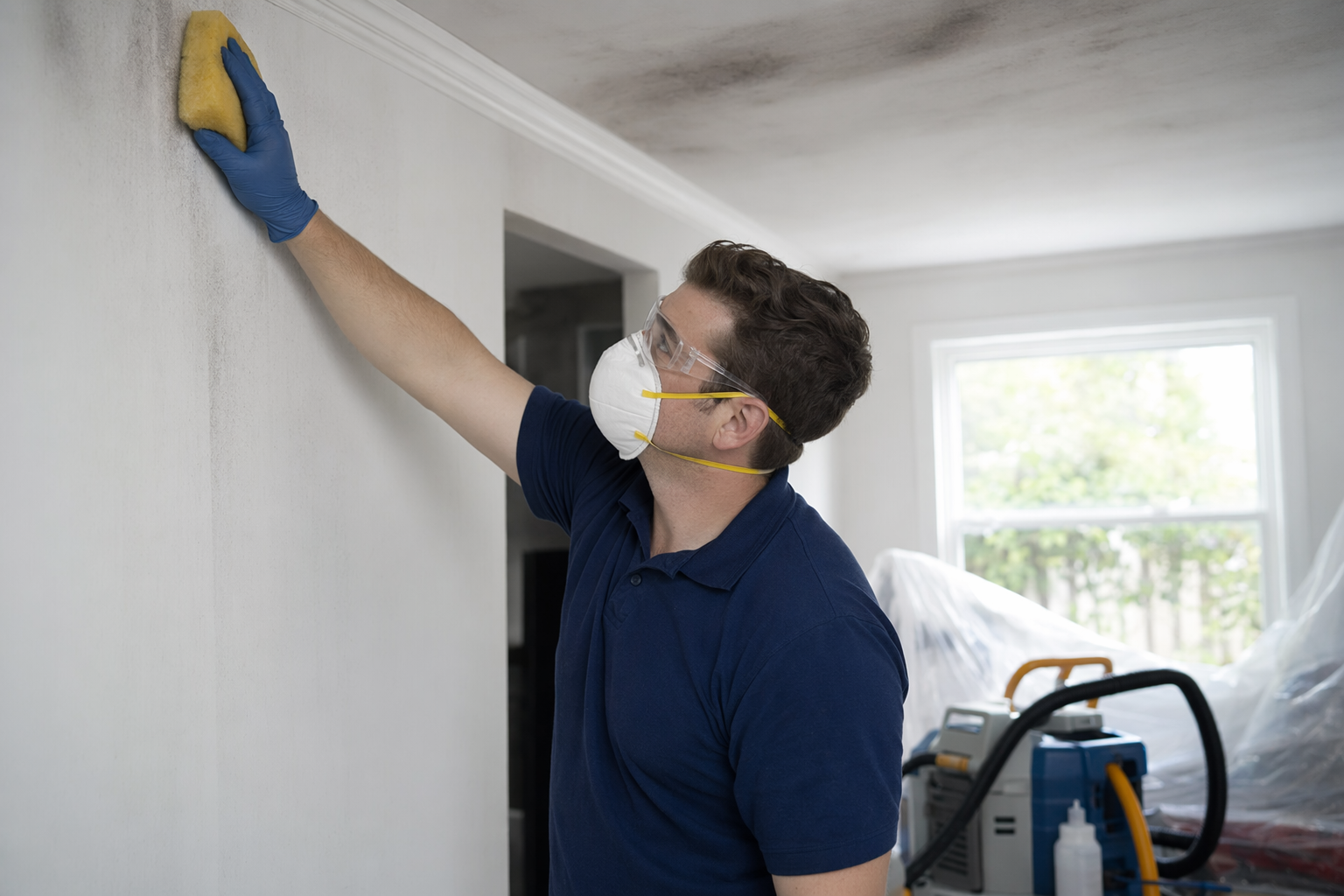
In the US, fire and smoke restoration costs vary widely based on how much damage there is and where it happened. Many homeowners see costs in the range of a few thousand to tens of thousands of dollars.
Smaller jobs—like cleaning smoke residue from limited areas and restoring a few surfaces—may cost less. More extensive work—like rebuilding damaged rooms, addressing structural components, and treating widespread soot—can increase the total. Costs also depend on your city/state, the condition of the property, and how quickly the cleanup began.
Because every situation is different, treat any number you see online as a planning estimate, not a quote or guarantee. You can get a clearer picture by working with a certified fire and smoke restoration professional after an on-site assessment. If you want, you can start here: get matched.
Fire and smoke restoration often includes several steps, and the total depends on which ones apply. Soot and smoke residue can be light (surface) or heavy (deeply embedded), which affects how long cleaning takes. Odor removal may require specialized methods and equipment—especially when smoke has reached porous materials.
Another major driver is what materials were affected. For example, smoke can cling to drywall, insulation, carpets, and wood trim. Costs increase if damaged materials must be removed, cleaned, dried, or replaced.
Finally, the cleanup scope matters: a single room vs. multiple floors, the presence of water used to extinguish the fire, and whether there’s lingering damage that needs assessment all change the estimate. For a quick checklist of next steps, see what to do now.
Certified teams may perform inspection and damage assessment, then begin containment (using barriers to limit soot spread). They often use specialized cleaning methods—sometimes dry techniques for certain soot types, and wet cleaning for others—to prevent residue from being spread around.
Smoke odor removal can include methods such as air filtration and controlled cleaning. In some cases, porous materials may need targeted treatment, and damaged materials may need to be removed and replaced.
If firefighters used water, there may also be drying and dehumidification, plus checks for secondary issues. For more about services you might see, explore services or review guides.
If you’re working with homeowners insurance, your policy may cover part of the restoration process, but coverage rules vary. A qualified professional can document the scope of work and help you understand what restoration typically includes.
Timing matters. Getting the affected areas evaluated soon after the incident can help reduce secondary damage and may reduce the amount of material that needs remediation. The longer smoke residue and moisture remain, the more cleanup and repairs may be required.
To help your planning, you can use Steady Restore to connect with certified pros for an on-site assessment. Matching is free for property owners: get matched.
When you meet a certified company, consider asking: (1) What’s the likely scope based on the inspection? (2) Which tasks are included in the estimate (cleaning, odor removal, drying if needed, and any controlled containment)? (3) How do they protect unaffected areas from soot spread? (4) What materials may need to be removed or replaced?
You can also ask for clarification on terms like containment (temporary barriers used to prevent soot from spreading) and porous materials (materials that absorb smoke and odors, like some drywall, insulation, and fabrics). For more plain-language guidance, browse guides.
Not always. Costs depend on how far smoke traveled, how heavy the soot is, and what materials were affected. A limited, surface-level cleanup may be less than repairs involving multiple rooms, porous materials, and odor treatment.
Smoke can be the main driver because residue and odor may spread beyond the visible burn area and require specialized cleaning and odor removal. Fire damage can also drive costs if structures or finishes need repair or replacement.
Not necessarily. Many odors can be reduced through cleaning, filtration, and targeted treatment. However, porous materials may sometimes need removal if odor is persistent. A professional assessment is important for deciding what can be salvaged.
You can use broad ranges for planning, but the most accurate understanding comes from an on-site inspection. Steady Restore can help you connect with certified professionals for an evaluation—free for property owners.
What to do if your basement floods Clear, calm, plain-language guidance from Steady Restore - an
What to do right after a house fire Clear, calm, plain-language guidance from Steady Restore - a
What to do when sewage backs up into your home Clear, calm, plain-language guidance from Steady
Free for property owners. Certified, insured pros. No pressure.