What to do if your basement floods
What to do if your basement floods Clear, calm, plain-language guidance from Steady Restore - an
A house fire can turn life upside down in minutes. Even after the flames are out, soot, smoke odor, water from firefighting, and damaged materials can keep affecting the property. Fire and smoke restoration is the cleanup and repair process that helps make a home safer, cleaner, and more usable again. This page explains how that process usually works in plain language, so you know what to expect. Steady Restore is a free information and matching service for property owners in the US. We are not a restoration contractor, and we do not perform repairs. If you want, we can help you [get matched](/get-matched/) with certified local professionals. Help may also be available in your own language.
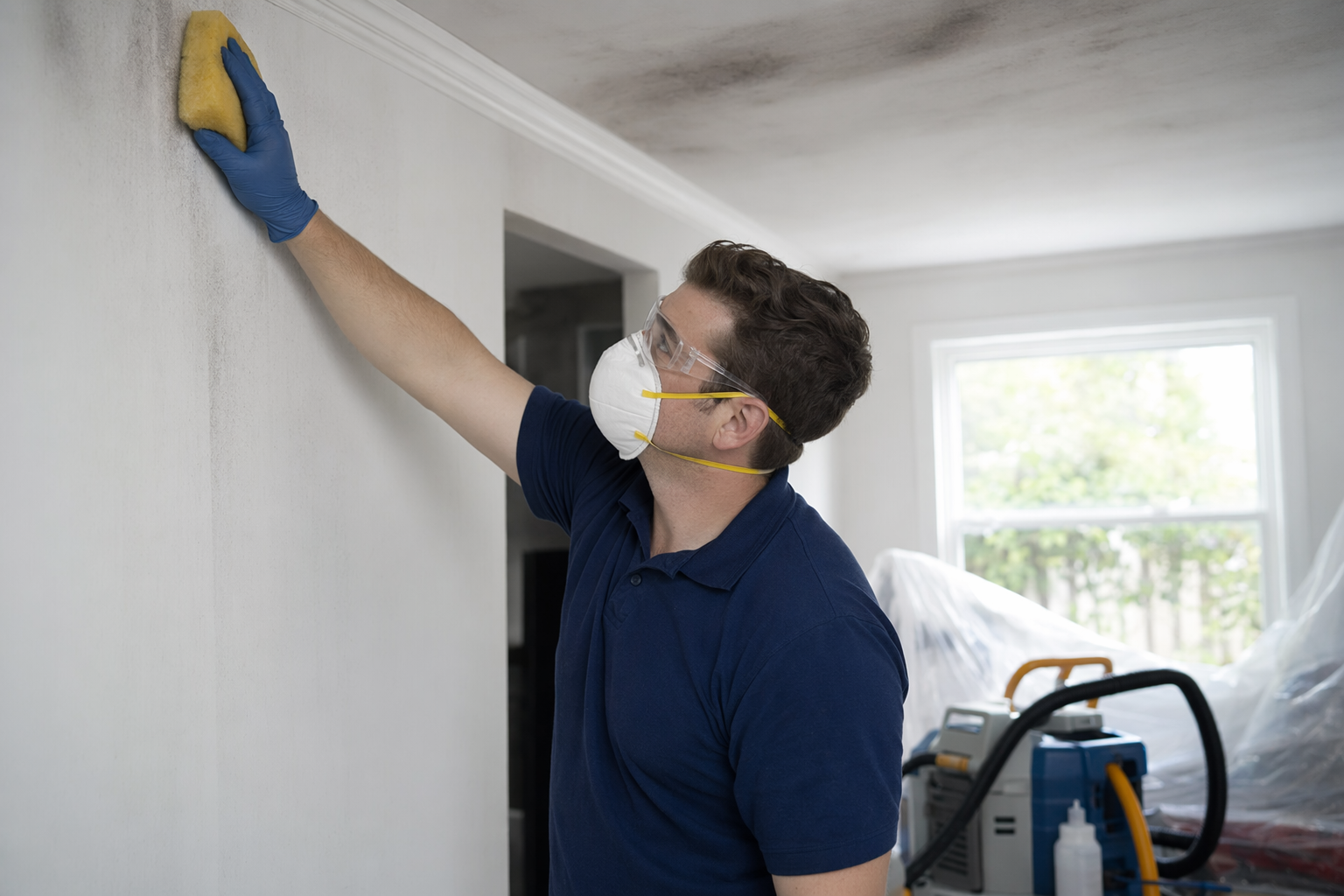
Fire restoration is more than removing burned items. It often includes emergency safety steps, smoke and soot cleanup, odor removal, water cleanup from hoses or sprinklers, drying, debris removal, and repairs or rebuilding. Smoke can travel far beyond the room where the fire started, so nearby rooms, attics, cabinets, and heating and cooling systems may also need attention.
Soot is the dark, powdery or oily residue left behind after a fire. It can stain walls, ceilings, furniture, and personal items, and some types can be hard to clean without causing more damage. Restoration teams usually inspect the property first so they can decide what can be cleaned, what should be removed, and what needs a specialist, such as an electrician or structural engineer.
Once firefighters say it is safe to enter, the first priority is safety. Fire can weaken floors, walls, roofs, and stairs. There may also be hazards from electricity, gas, sharp debris, or contaminated water. If you are unsure what to do next, our what to do now guide can help with the basics.
A restoration company will often start with an assessment and emergency stabilization. Stabilization means temporary steps to help prevent further damage, like boarding up broken windows, tarping a damaged roof, or removing standing water. Taking photos and videos of the damage early can also help with documentation for your records and insurance claim.
Cleanup usually starts with removing debris and damaged materials that cannot be saved. Then technicians clean soot from surfaces using methods that fit the material, because dry soot on painted walls needs a different approach than greasy residue on metal or smoke damage on fabric. They may also clean contents, which means personal belongings such as furniture, clothing, dishes, and electronics.
Smoke odor removal often takes more than air fresheners or open windows. Professionals may use HEPA air scrubbers, which are machines that filter very small particles from the air, along with deodorization methods designed for smoke. In some cases they seal affected surfaces after cleaning to help block lingering odor before repairs begin.
Because fire response often involves large amounts of water, drying is a major part of the job. Restoration teams may use air movers and dehumidifiers to pull moisture from materials and reduce the risk of mold. Hidden moisture inside walls, under floors, or in insulation may need to be checked with special meters or cameras.
After cleanup and drying, repair work can begin. This may range from replacing drywall, insulation, flooring, trim, and cabinets to larger structural repairs. The exact scope depends on how much of the home was affected by fire, smoke, and water. Some jobs are mostly cleanup, while others involve partial reconstruction. You can learn more about related services and read more step-by-step guides.
Every fire loss is different, so timelines vary. A smaller smoke cleanup in one area may take days, while a major fire with structural damage can take weeks or longer once cleanup, drying, permits, materials, and rebuilding are included. Your location, the age of the home, and how quickly work begins can also affect timing.
Costs also vary widely by the size of the property, how much fire, smoke, and water damage there is, what materials were affected, and local labor prices. As a very general US estimate, limited fire and smoke cleanup may start around $3,000 to $10,000, moderate restoration may range from about $10,000 to $50,000, and major fire damage with substantial repairs or rebuilding can exceed $50,000 and sometimes be much higher. These are not quotes or guarantees, just broad educational ranges.
Many homeowners start by contacting their insurance company and asking what documentation they need. Restoration professionals may be able to provide itemized notes, moisture readings, and photo records, but coverage decisions come from your insurer and policy. If a claim is involved, keep copies of receipts, photos, and communication in one place.
When comparing professionals, ask whether they have fire and smoke cleanup experience, whether they hold relevant certifications, and whether they explain their scope of work in writing. Steady Restore can help you get matched with certified local restoration professionals at no cost to you. Property owners use the service for free; professionals pay a flat fee, never a percentage.
For very minor residue in a small area, some careful cleaning may be possible, but soot can smear, stain, or spread if the wrong products or methods are used. After anything more than light surface smoke, it is usually safest to have a professional inspect the damage first.
Smoke particles can settle inside porous materials, which are materials with tiny spaces that absorb odor, such as drywall, insulation, carpet, upholstery, and wood. If those particles are still present, the odor can return, especially in warm or humid conditions.
Not always. Some items can be cleaned, restored, or sent to a specialty contents cleaner, while others may be unsafe or too damaged to save. The decision depends on the material, the amount of heat and soot exposure, water damage, and safety concerns.
We only ask for general contact details and basic information about the property damage so we can help connect you with local certified professionals. We do not ask for medical records or identity documents.
What to do if your basement floods Clear, calm, plain-language guidance from Steady Restore - an
What to do right after a house fire Clear, calm, plain-language guidance from Steady Restore - a
What to do when sewage backs up into your home Clear, calm, plain-language guidance from Steady
Free for property owners. Certified, insured pros. No pressure.