What to do if your basement floods
What to do if your basement floods Clear, calm, plain-language guidance from Steady Restore - an
If your home was damaged by water, fire, mold, or storms, cleanup can feel urgent—and expensive. You shouldn’t have to wait for help just because you’re stretched financially. This guide offers calm, practical options to protect your property now and find certified restoration professionals when you’re ready.
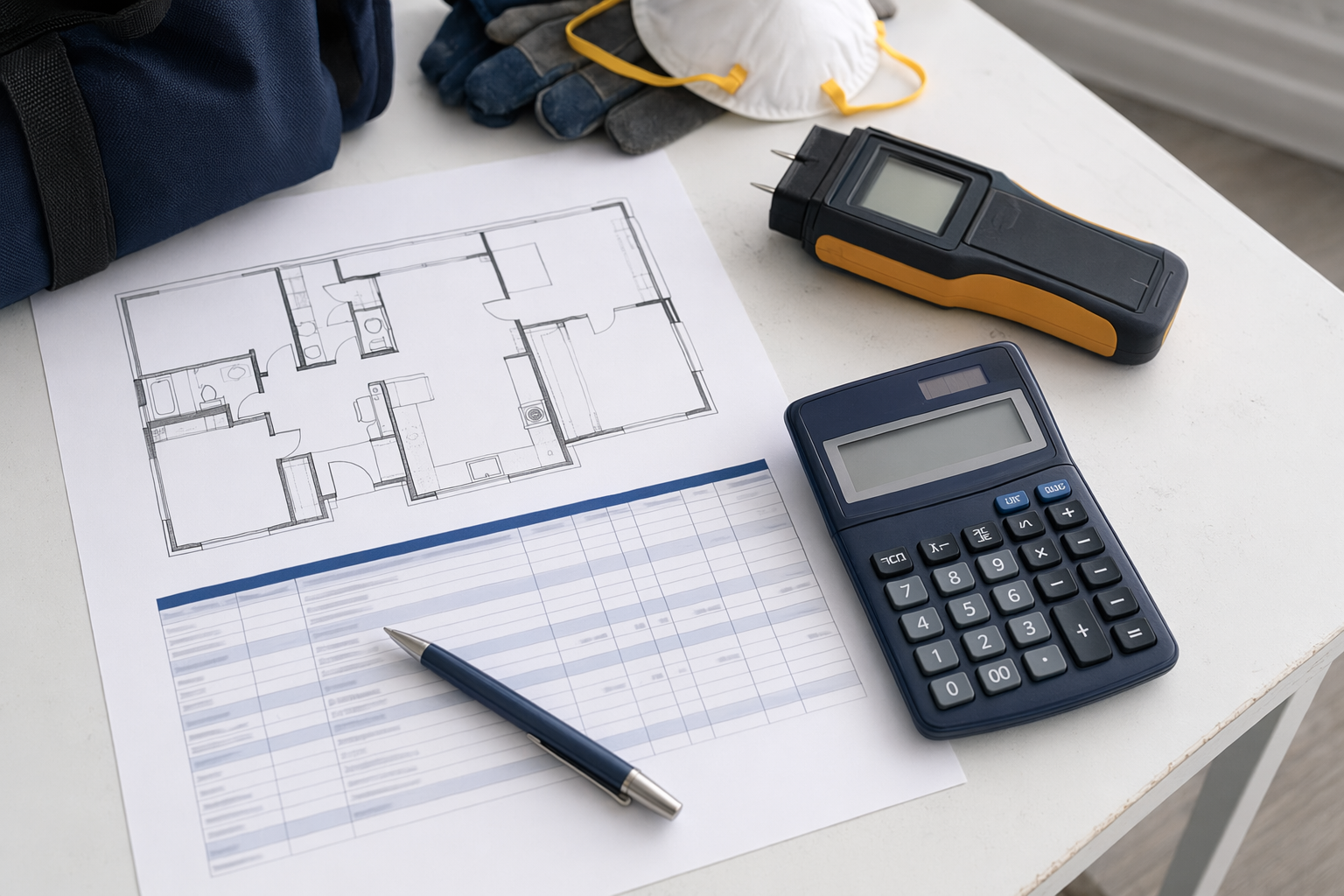
Start with safety. If there’s active electrical risk, heavy structural damage, or sewage contamination, keep people and pets out and contact local authorities or utilities as needed. For water damage, drying quickly helps reduce further loss, but the right approach depends on the source and materials.
Next, document what happened. Take clear photos/videos and make a simple list of damaged areas. This can help with insurance paperwork and conversations with restoration teams later. If you’re unsure where to begin, see what to do now for a straightforward checklist.
Costs vary widely by the type of damage, the size of the area, building materials, how long it sat, and your city/state. As rough estimates in the US, many homeowners spend anywhere from a few hundred dollars for small, localized fixes to several thousand dollars for larger water or smoke remediation projects.
If mold is involved, pricing often reflects the amount of affected material and the underlying cause (like ongoing moisture). Fire cleanup can add complexity due to smoke odor removal and specialized cleaning. For more context, review cost guidance so you can better plan questions to ask service providers.
Many restoration professionals work with property owners to find an approach that fits the situation. Ask about flexible scheduling, staged repairs (addressing the biggest risks first), and realistic cost breaks down by scope—what’s necessary right away versus what can wait.
You may also have options through your homeowner’s insurance or disaster-related assistance programs, depending on the event and eligibility. Steady Restore is a free matching service for property owners, and we can help you connect with certified professionals to discuss next steps. Learn more about the kinds of support available in services and options.
Steady Restore helps property owners in the US find certified home restoration professionals after property damage. The service is free for you—no confusing add-ons, and no percent-based fees.
When you’re ready, you’ll share general contact details and basic information about the damage (for example: water, fire/smoke, mold concerns, or storm impact). We then help connect you with qualified, certified teams to discuss your situation and recommend an appropriate plan. Start here: get matched.
When you speak with a restoration professional, you can reduce uncertainty by asking a few clear questions. For example: what they would do first to stop ongoing damage, how they measure moisture (to confirm drying progress), whether they recommend temporary containment, and what documentation they provide.
Also ask about certification, insurance coverage, and estimated effort by category (water extraction, drying, cleaning, remediation, odor control). If terms like “containment” or “moisture mapping” come up, ask them to explain in plain language. For additional education, visit restoration guides.
In many cases, waiting can allow damage to grow—especially with water and moisture-related issues. Instead of waiting, consider asking providers about addressing the most urgent risks first (like drying, removing standing water, or limiting spread). Costs still vary, but staging the work can sometimes help you move forward safely. Use [what to do now](/what-to-do-now/) for a quick starting point.
No. Steady Restore is free for property owners. The goal is to help you find certified restoration professionals without extra costs from the matching service.
There isn’t one price for every case. Estimates in the US can range from a few hundred dollars for small, localized work to several thousand dollars for larger remediation projects, depending on the damage type, area size, and how long it has been untreated. Your city/state and the condition of your home matter too.
You’ll typically share general contact details and basic information about the property damage. We don’t ask for sensitive medical or identity records. If you’re not sure what to include, start with the event type (water, fire/smoke, mold concerns, storm damage) and the general areas affected. Begin at [get matched](/get-matched/).
What to do if your basement floods Clear, calm, plain-language guidance from Steady Restore - an
What to do right after a house fire Clear, calm, plain-language guidance from Steady Restore - a
What to do when sewage backs up into your home Clear, calm, plain-language guidance from Steady
Free for property owners. Certified, insured pros. No pressure.