What to do if your basement floods
What to do if your basement floods Clear, calm, plain-language guidance from Steady Restore - an
Restoration certifications can feel confusing when you are already dealing with water, fire, mold, or storm damage. The short version: a certification usually means a technician or company has completed training and testing in a specific kind of cleanup or repair work, and may need to follow certain industry standards. It does **not** automatically mean every company is equally skilled, equally careful, or right for your situation. At Steady Restore, we share general educational information and offer a free way to help property owners connect with certified restoration professionals in the US. We are not a restoration contractor, and we do not sell your claim or take a percentage of the job. If you want help, you can [get matched](/get-matched/) with local professionals, and help may be available in your own language.
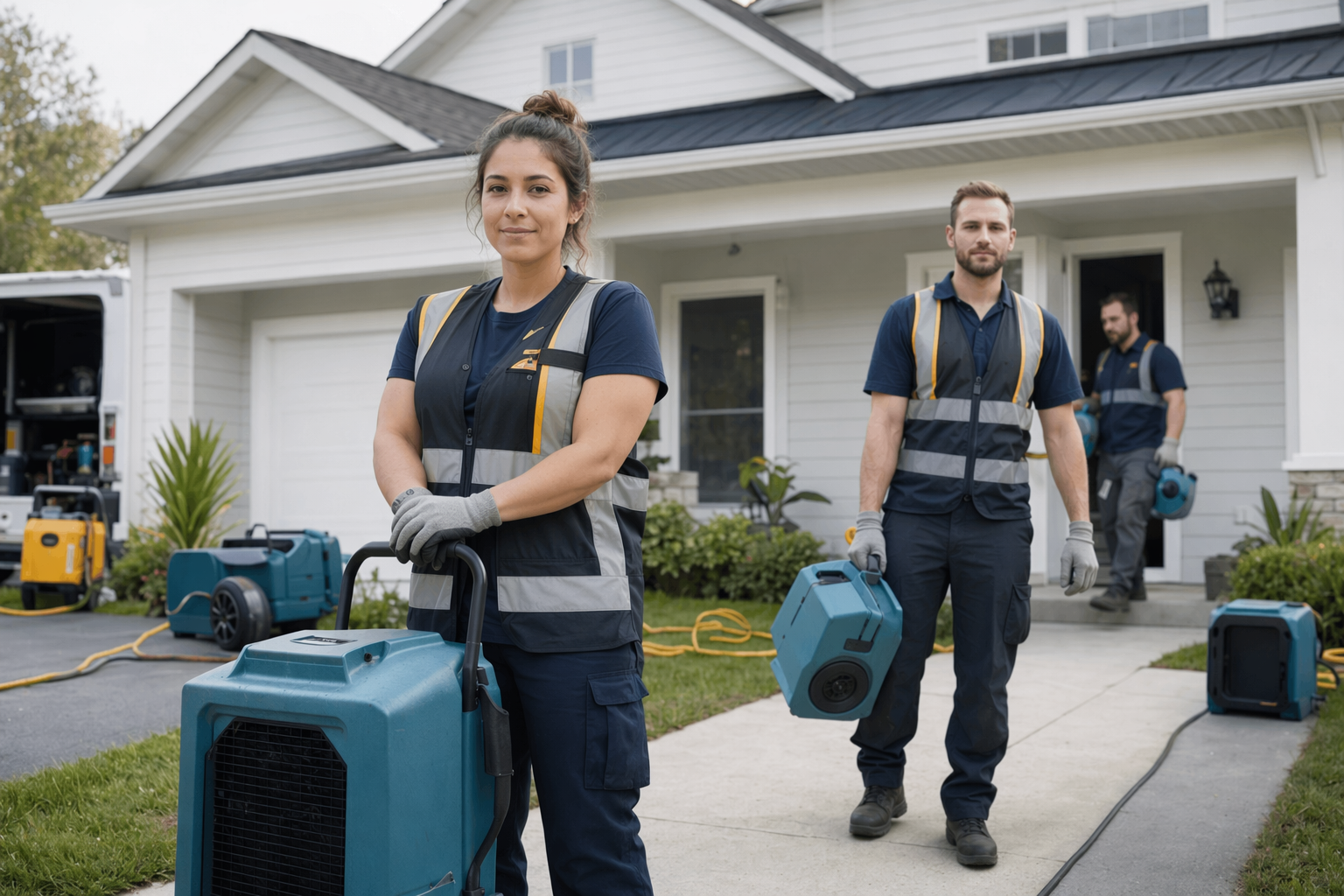
After property damage, you may see companies mention certifications in ads, estimates, or on trucks and uniforms. In plain language, a certification is proof that a person or business completed a recognized training program and passed some form of exam or evaluation. It can be a useful sign that they have studied accepted cleanup methods, safety steps, and equipment use.
That said, certifications are only one part of the picture. They do not replace experience, clear communication, proper insurance, or a careful inspection of your property. A certified professional may be a strong option, but it is still smart to ask what training they personally have, what kind of damage they handle most often, and who will actually be doing the work in your home.
Not all certifications mean the same thing. Some are for water damage restoration, which is drying, cleaning, and repairing after leaks, floods, or pipe breaks. Others focus on fire and smoke cleanup, mold remediation, contents cleaning, odor control, or trauma and biohazard cleanup. A company may also hold certifications for applied structural drying, meaning specialized training in drying building materials like drywall, wood, and flooring.
You may also hear the word standard. A standard is a written set of recommended procedures for how work should be evaluated and performed. Training tied to a standard can be helpful because it gives technicians a shared framework for inspection, moisture measurement, containment, cleaning, and documentation. Still, the quality of the actual job depends on how well that training is applied on site.
A certification does not guarantee the lowest price, the fastest turnaround, or that insurance will cover the work. It also does not guarantee that every worker who arrives at your property has the same training level. In some companies, a certified lead technician supervises a crew with mixed experience.
It also does not mean there will never be mistakes or delays. Hidden moisture, damaged wiring, asbestos, lead paint, limited material availability, and local permit rules can all affect a project. If a company makes big promises before a proper inspection, that can be a reason to slow down and ask more questions. You can review practical next steps in what to do now.
Start by asking which certifications the company and the individual crew leader hold, whether those credentials are current, and whether they are relevant to your type of loss. For example, if you have smoke damage, ask about fire and odor cleanup training. If you have visible mold or a long-term leak, ask about mold-related training and how they handle containment, which means keeping contamination from spreading to cleaner areas.
You can also ask whether the company is licensed if your state requires licensing for certain trades, whether it carries liability and workers' compensation insurance, and whether it will provide a written scope of work. A scope of work is a plain description of what they plan to do, what materials may be removed, what equipment may be used, and what is not included. For more background, see our guides and services.
Certified firms are not always dramatically more expensive, but training, specialized equipment, and documentation can affect pricing. As a broad estimate, water damage mitigation often ranges from about $1,300 to $6,500+, mold remediation may range from about $1,500 to $7,000+, and fire or smoke cleanup can range from about $3,000 to $20,000+ depending on severity, square footage, materials affected, and where you live. These are general US estimates, not quotes or guarantees. Actual costs vary by property, city, state, and the details of the damage.
A good hiring decision usually comes from looking at the whole picture: relevant certifications, clear answers, a written plan, strong safety practices, and comfort with the team entering your home. If you want a free way to compare options, Steady Restore can help you get matched with certified restoration professionals near you.
Sometimes, but not always. Certification and licensing are different. A certification usually comes from a training organization. A license is a legal authorization from a state or local authority for certain kinds of work. Requirements vary by state, trade, and project type.
Certification is a strong positive sign, especially for water, mold, and fire cleanup, but it should not be your only factor. Also look at relevant experience, insurance, communication, written scope of work, and whether they explain the process clearly.
Many certified restoration companies do work on insurance-related losses and know how to document moisture readings, photos, and job notes. But certification does not mean your insurer will approve every service or pay every invoice. Coverage depends on your policy and claim details.
Only general contact and property details, such as your name, phone, email, ZIP code, and a short description of the damage. Our matching service is free for property owners. We never ask for medical records or identity records, and professionals pay a flat fee, never a percentage of your job.
What to do if your basement floods Clear, calm, plain-language guidance from Steady Restore - an
What to do right after a house fire Clear, calm, plain-language guidance from Steady Restore - a
What to do when sewage backs up into your home Clear, calm, plain-language guidance from Steady
Free for property owners. Certified, insured pros. No pressure.