What to do if your basement floods
What to do if your basement floods Clear, calm, plain-language guidance from Steady Restore - an
Not all water damage is the same. In restoration, people often group water into three types: clean water, gray water, and black water. These labels help explain the likely health risk and the kind of cleanup that may be needed after a leak, overflow, storm, or sewer backup. The important thing to know is simple: water can become more contaminated over time. A small supply-line leak may start as clean water, but once it sits, soaks into materials, or mixes with dirt and waste, the risk can rise. If you need help, Steady Restore offers free information and a free way to get matched with certified restoration professionals near you, and help may be available in your own language.
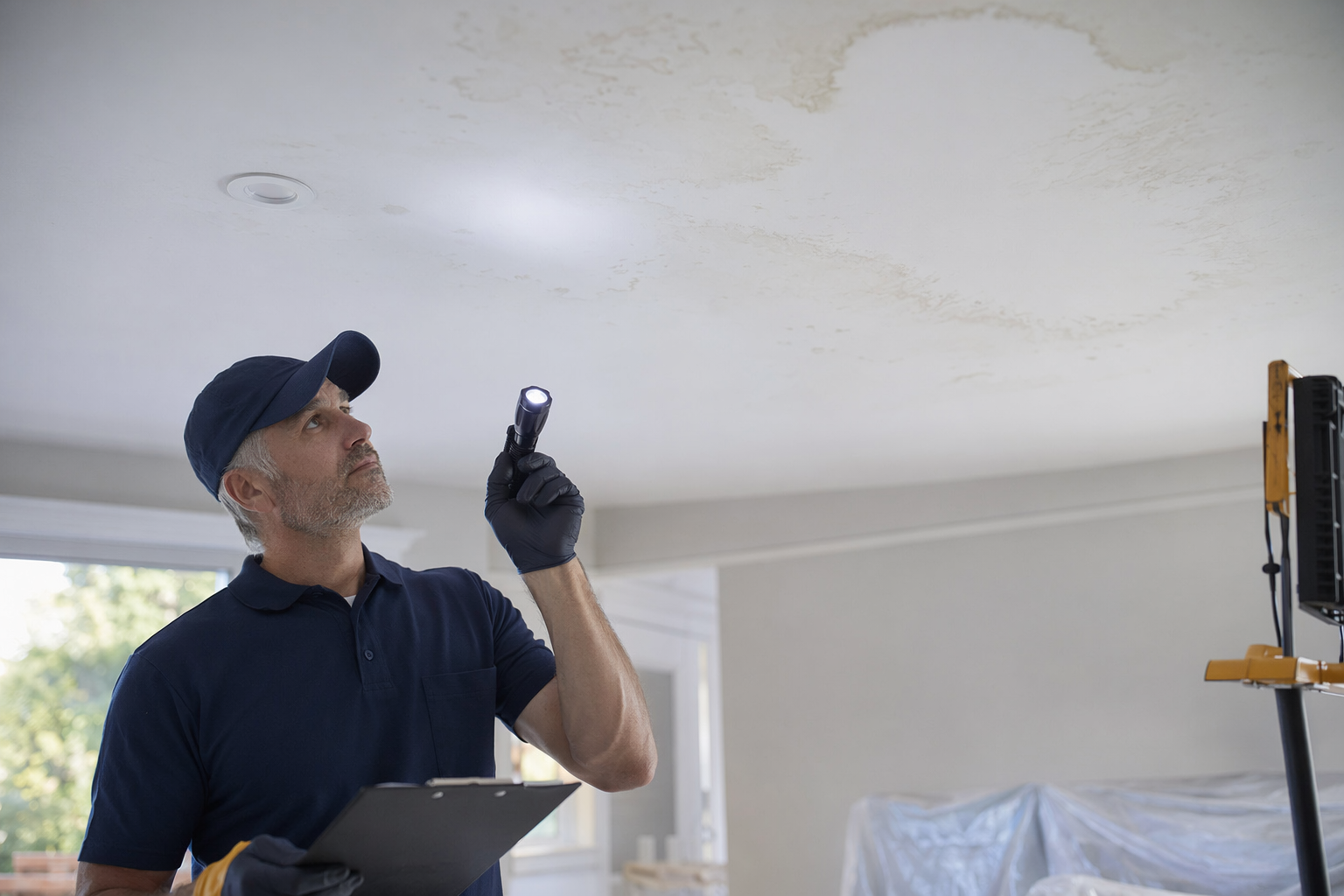
These terms describe the likely level of contamination, which means unwanted substances in the water that can affect health. They are used in the restoration field to guide safety steps, removal of damaged materials, drying, cleaning, and disinfection.
Clean water usually comes from a sanitary source, such as a broken supply line, sink faucet line, or melting ice. Gray water has more contamination and may come from washing machines, dishwashers, or bathtub and shower overflows. Black water is the highest-risk category and can contain sewage, floodwater, or other harmful waste.
Even with these labels, every loss is different. The source, how long the water sat, what materials were affected, indoor temperature, and whether the water spread through insulation, flooring, or walls can all change the risk level.
Clean water generally starts from a source that does not contain major contaminants. Common examples include a fresh plumbing supply leak or rain entering before it touches dirty surfaces. This type is usually considered the lowest health risk at the start.
But clean water does not stay clean forever. If it sits for too long, passes through building materials, or picks up dust, soil, or microbes, the category may change. That is one reason fast drying matters. Wet drywall, carpet padding, and wood can trap moisture and support mold growth.
If the affected area is small and the water truly came from a clean source, some homeowners can handle early steps like shutting off the water and moving belongings. If the area is larger, has been wet for more than a day or two, or reached walls and subfloors, it is smart to review what to do now or get matched with a certified professional.
Gray water contains more contaminants than clean water and may cause illness if touched or swallowed. It often comes from appliance discharge or used water, such as a washing machine leak, dishwasher backup, or tub overflow with soap and body soils.
Because gray water has a higher contamination risk, cleanup is usually more involved. Porous materials, which are materials that soak up water like carpet padding, insulation, and some drywall, may need closer evaluation or removal if they cannot be cleaned and dried safely.
If you suspect gray water, limit contact, keep children and pets away, and avoid using fans that could spread contaminated moisture until the area has been assessed. A certified restoration professional can help determine what can be cleaned, what may need to be removed, and how to dry the area safely.
Black water is heavily contaminated water that can contain sewage, flood-borne pollutants, or harmful microorganisms, which are tiny living organisms such as bacteria and viruses. Common examples include toilet overflows involving waste, sewer backups, and water from rivers, streams, or storm flooding that entered the home.
This type of water should be treated as a serious health concern. Direct contact can be unsafe, and materials that absorbed the water often need professional handling. In many cases, cleanup includes containment, removal of damaged porous materials, thorough cleaning, disinfection, drying, and safe disposal.
If black water is involved, turn off electricity to affected areas only if it is safe to do so, leave the area if needed, and consider professional help as soon as possible. Steady Restore is not a contractor, but we can share general information and help you find services or get matched with certified restoration professionals.
Restoration professionals usually look at the source of the water, how far it spread, how long materials stayed wet, and what parts of the home were affected. They may use moisture meters, which are tools that check how much moisture is inside materials, and may set up drying equipment such as air movers and dehumidifiers.
For smaller clean-water losses, cleanup and drying may sometimes fall around $1,000 to $3,500. Gray-water losses often cost more, sometimes around $2,000 to $6,000 or higher, depending on removal, cleaning, and drying needs. Black-water or sewage cleanup can be more expensive, often around $3,000 to $10,000+, especially if flooring, drywall, cabinetry, or subfloors need removal and replacement.
These are broad US estimates, not quotes or guarantees. Costs vary by the cause of loss, affected materials, home size, local labor rates, city, and state. If you are comparing options, guides can help you understand the process before you choose next steps.
You may want professional help if the water is gray or black, the wet area is large, there is a strong odor, water reached walls or insulation, or the damage has been present long enough for staining or mold concerns. Help can also be useful if you are not sure where the water came from or whether it is safe to stay in the area.
Steady Restore provides general educational information and a free matching service for property owners. We are not a restoration contractor. Professionals pay a flat fee to participate, never a percentage of your project, and we only ask for general contact details so someone can follow up about your situation.
If you want support, you can get matched or read what to do now. If it helps, support may be available in your own language.
Yes. Water can become more contaminated as it sits, moves through building materials, or mixes with dirt, waste, or other pollutants. That is why quick action matters.
It can be. Gray water may contain enough contamination to cause illness, especially if someone touches it and then eats, or if it soaks into materials that cannot be cleaned well. It is safer to treat it with caution.
In most cases, black water is not a good DIY project. It may contain sewage or other harmful contaminants and usually needs professional cleaning, disinfection, drying, and safe disposal of damaged materials.
It depends on the water type, the size of the affected area, how long the materials were wet, and local pricing. Very general US ranges may start around $1,000 to $3,500 for smaller clean-water jobs, $2,000 to $6,000+ for gray-water losses, and $3,000 to $10,000+ for black-water or sewage cleanup. These are estimates only, not quotes or guarantees.
What to do if your basement floods Clear, calm, plain-language guidance from Steady Restore - an
What to do right after a house fire Clear, calm, plain-language guidance from Steady Restore - a
What to do when sewage backs up into your home Clear, calm, plain-language guidance from Steady
Free for property owners. Certified, insured pros. No pressure.