What to do if your basement floods
What to do if your basement floods Clear, calm, plain-language guidance from Steady Restore - an
Structural drying is one of the most important early steps after water damage. Done correctly, it can help protect your home’s materials, reduce the chance of lingering moisture problems, and support a safer, cleaner restoration process. If you’re dealing with flooding, leaks, or storm damage, this guide will explain what structural drying is—plainly and without jargon.
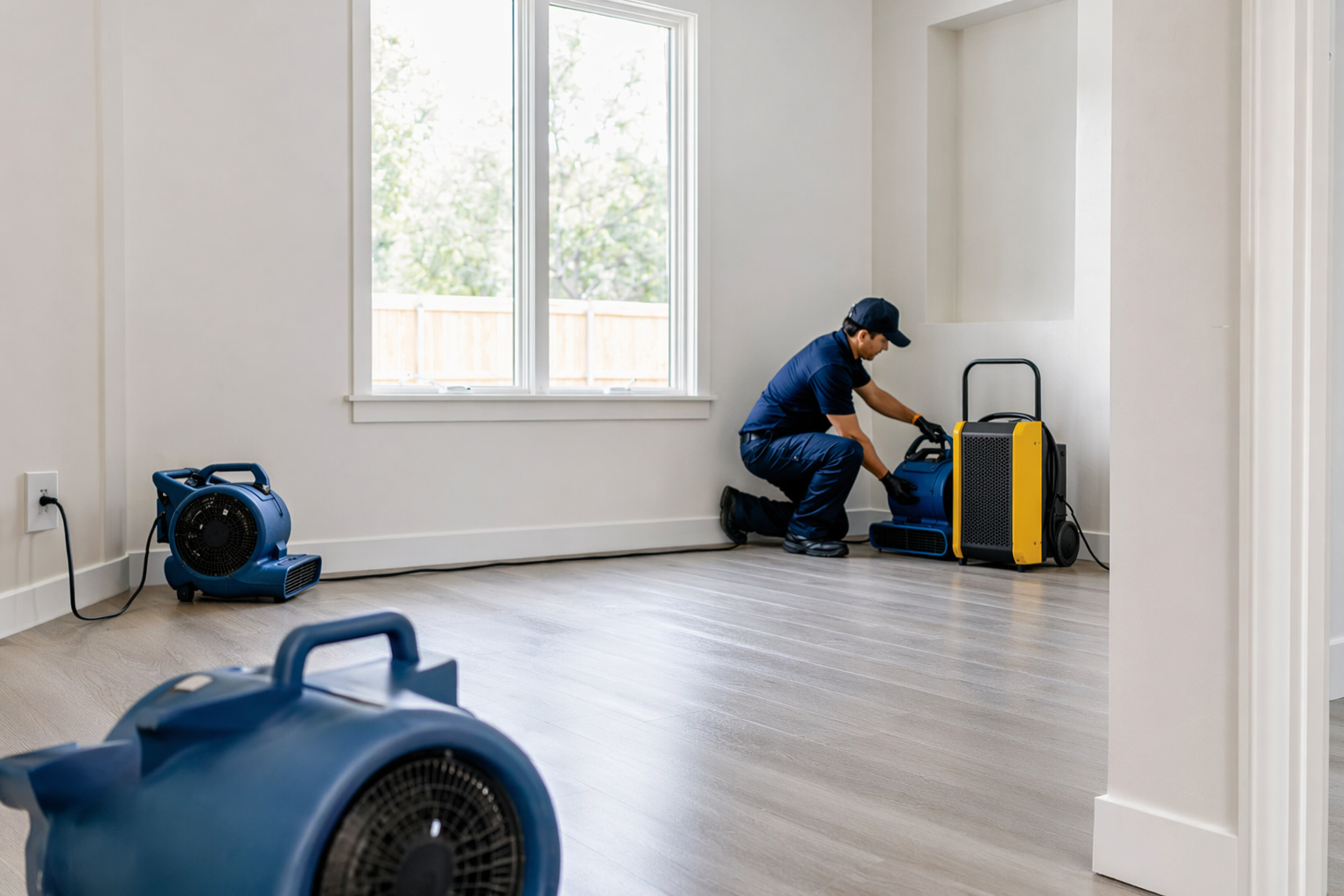
Structural drying is the process of removing water and moisture from building materials after property damage, like a burst pipe, leak, or flood. It often includes drying the *structure* (drywall, framing, subfloor, insulation) and controlling humidity so materials can return to a safer moisture level.
A key part is moisture monitoring—professionals measure moisture readings over time (using specialized tools) to confirm drying is actually happening, not just the air feeling drier. Because different materials absorb water differently, measuring helps guide the next steps.
If moisture is left behind, it can contribute to odors and can raise the risk of mold and material deterioration. Even when standing water is gone, water can remain in pockets and inside porous materials.
Structural drying also helps restoration proceed more smoothly. Wet materials can slow repairs, worsen damage over time, and sometimes require additional work later. A thoughtful drying plan supports a more reliable cleanup and rebuild process.
Most structural drying starts with water source control (stopping the leak, shutting off water, or addressing the flooding source). Then technicians remove standing water where needed and set up drying equipment such as dehumidifiers and air movers (fans designed to improve evaporation).
They also create conditions that encourage drying: controlling indoor humidity, ensuring airflow, and sometimes using targeted drying strategies for specific materials. The goal is not just faster drying—it’s consistent drying based on measurements, room by room and material by material.
You may benefit from structural drying if you notice damp drywall, bubbling paint, warped floors, musty odors, or moisture readings that remain elevated after the visible water is removed. Materials like insulation behind walls and subflooring can stay wet longer than you might expect.
If you’re unsure whether the affected area needs drying (or how extensive it should be), you can start by reviewing next steps here: what-to-do-now. Then consider getting help from certified professionals through get-matched.
Costs for structural drying can vary widely depending on the amount of water, building materials, number of affected rooms, drying equipment needs, and your location. As a rough estimate in the US, homeowners often see about $1,000 to $3,500 for small to moderate drying jobs, while larger or more complex cases can range from $3,500 to $10,000+.
These are not quotes or guarantees—every property is different. If you’d like, you can compare typical services and terminology in services and learn more in guides.
Not always. Visible water may disappear quickly, but moisture can remain inside walls, floors, and insulation. Structural drying focuses on removing moisture based on measurements over time, so professionals can confirm drying progress rather than relying only on how things look or feel.
Drying time depends on factors like how much water was involved, material types, indoor conditions, and airflow/humidity control. Some jobs may resolve in days, while others can take longer. A certified drying professional should be able to explain the plan and monitoring approach for your specific situation.
Some homeowners can take helpful steps, like improving ventilation and removing wet contents early—but full structural drying often requires specialized equipment, material-focused strategies, and moisture monitoring to verify results. If you have extensive water damage, hidden wet areas, or ongoing dampness, professional guidance is strongly recommended.
Structural drying is designed to reduce the conditions that support mold growth by removing moisture. However, outcomes depend on the extent of contamination, how quickly drying is done, cleaning practices, and how materials were affected. The safest approach is prompt drying plus appropriate cleaning and remediation where needed.
What to do if your basement floods Clear, calm, plain-language guidance from Steady Restore - an
What to do right after a house fire Clear, calm, plain-language guidance from Steady Restore - a
What to do when sewage backs up into your home Clear, calm, plain-language guidance from Steady
Free for property owners. Certified, insured pros. No pressure.