What to do if your basement floods
What to do if your basement floods Clear, calm, plain-language guidance from Steady Restore - an
Biohazard cleanup costs can vary widely depending on what happened, how much area is affected, what materials need to be removed, and local labor and disposal rules. In many US cases, professional biohazard cleanup may range from about $1,500 to $25,000 or more, with smaller contained jobs sometimes falling below that range and large or complex losses costing more. These are general estimates, not quotes or guarantees. Because biohazard situations can involve bloodborne pathogens, bacteria, or other harmful substances, this is usually not a safe do-it-yourself project. A certified cleanup team can help decontaminate the area, remove affected materials, and handle disposal in line with health and safety requirements, while treating the situation with care and respect.
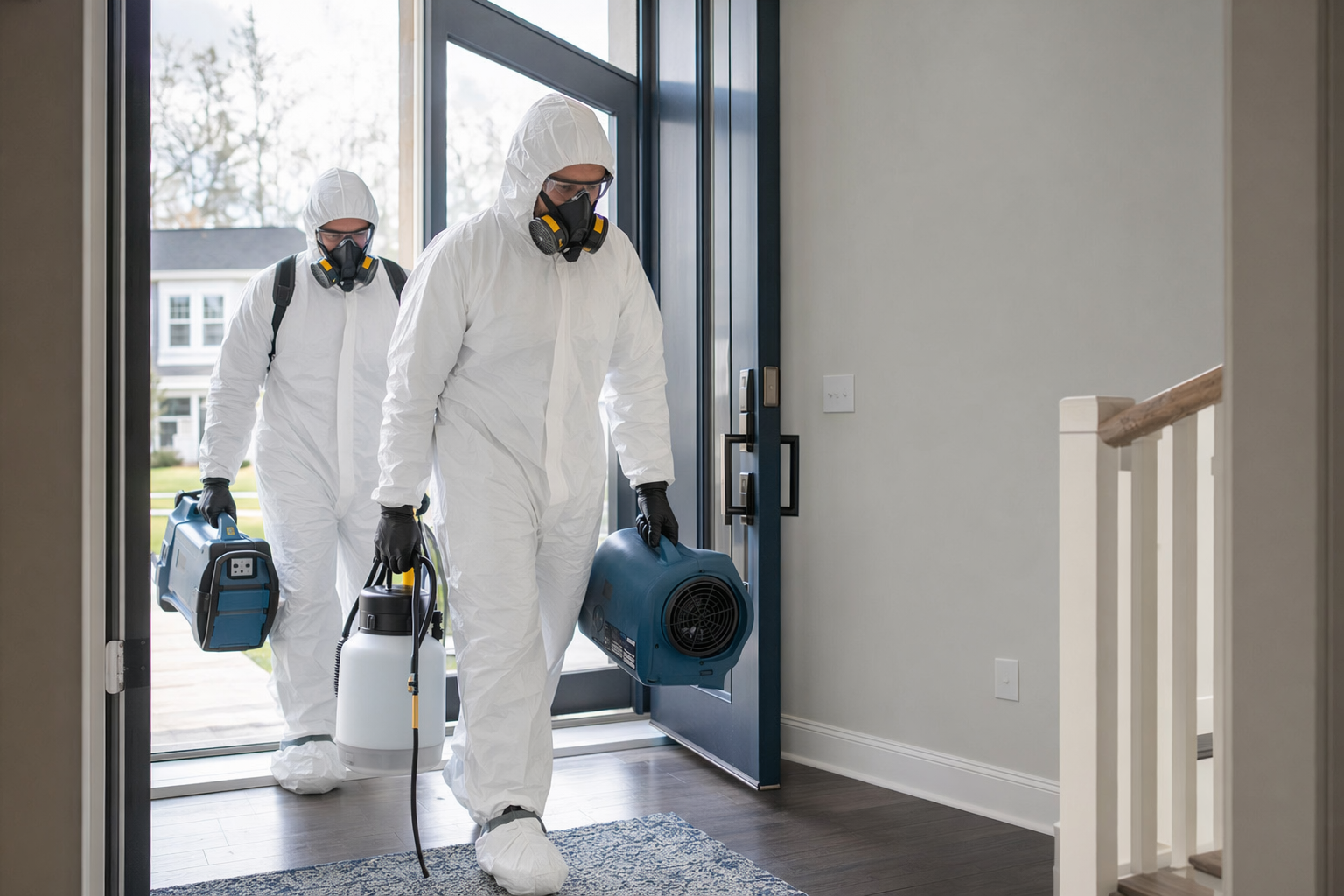
The biggest cost factors are usually the size of the affected area, the type of contamination, how long the contamination has been present, and which surfaces were affected. Non-porous surfaces, such as tile or metal, may sometimes be cleaned and disinfected, while porous materials, such as carpet, padding, drywall, upholstery, or unfinished wood, often need removal because they can absorb contamination.
Access also matters. Costs may rise if the affected area is hard to reach, if contents need to be moved and documented, or if the work must be done in multiple rooms, stairwells, vehicles, or outdoor areas. Local city and state rules, disposal fees, and after-hours emergency response can also affect the final price.
For a smaller, contained cleanup in one limited area, costs often start around $1,500 to $4,000. A moderate job involving multiple affected materials or a larger room may fall around $4,000 to $10,000. More extensive situations, including structural material removal, odor treatment, contents handling, and detailed decontamination, can range from $10,000 to $25,000 or more.
Some companies may price by the scope of work rather than by square foot because safety setup, protective equipment, disposal, and testing can make even a small area labor-intensive. The safest next step is usually to have a certified professional assess the scene and explain the expected work in plain language. If you want help finding options, you can get matched with certified restoration professionals at no cost to you.
Professional biohazard cleanup usually includes site containment, which means setting up barriers to keep contamination from spreading, and the use of personal protective equipment, or PPE, which is specialized safety gear such as gloves, suits, respirators, and eye protection. The team may remove affected materials, clean and disinfect salvageable surfaces, treat odors, and package waste for proper transport and disposal.
Many jobs also include documentation of the work performed and moisture or air-quality related checks when needed. Depending on the situation, rebuild work such as replacing drywall, flooring, cabinets, or paint may be separate from cleanup. You can learn more about related help on our services and guides pages.
Sometimes. Coverage depends on the cause of loss, your policy language, and whether the cleanup is tied to a covered event. In some cases, homeowners, landlords, commercial property, or auto insurance may help with part of the cleanup and disposal costs. In other cases, coverage may be limited or excluded.
If insurance may be involved, it helps to take photos if it is safe to do so, keep notes, and ask the cleanup company for a written scope of work. You can also review practical next steps on what to do now. A restoration professional may be able to coordinate with an adjuster, but coverage decisions are made by the insurer, not by Steady Restore or the cleanup company.
Because this work is sensitive and safety-critical, it is important to ask whether the company uses trained, certified technicians and follows applicable OSHA, EPA, state, and local requirements. You can also ask how they handle privacy, secure transport and disposal, and whether they provide clear documentation and respectful communication throughout the process.
Compassion matters too. A good team should explain the plan calmly, limit unnecessary exposure to the area, and treat the property and everyone involved with dignity and discretion. Steady Restore is a free information and matching service for property owners, and help may be available in your own language when you get matched.
Biohazard cleanup often requires specialized training, safety equipment, containment, careful removal of affected materials, legal disposal methods, and detailed decontamination. Even smaller jobs can involve significant labor and compliance steps, which is why costs are often higher than standard cleaning.
In most cases, it is not recommended. Biohazard scenes can expose people to harmful pathogens and cross-contamination, which means spreading contamination to other areas. Certified professionals have the equipment, training, and disposal procedures needed to reduce risk.
Some smaller jobs may be completed in hours, while larger or more complex situations can take multiple days. The timeline depends on the size of the area, the materials affected, access, disposal needs, and whether repairs are also required. No specific timeline can be guaranteed before an assessment.
Usually just general contact details and basic information about the property damage, such as the type of issue, location, and when it happened. Steady Restore does not ask for medical records or identity records, and the service is free for property owners.
What to do if your basement floods Clear, calm, plain-language guidance from Steady Restore - an
What to do right after a house fire Clear, calm, plain-language guidance from Steady Restore - a
What to do when sewage backs up into your home Clear, calm, plain-language guidance from Steady
Free for property owners. Certified, insured pros. No pressure.