What to do if your basement floods
What to do if your basement floods Clear, calm, plain-language guidance from Steady Restore - an
Getting a restoration estimate can feel stressful, especially when you are already dealing with water, fire, mold, storm, or other property damage. A fair estimate should help you understand the scope of work, likely costs, and next steps in plain language so you can compare options with more confidence.
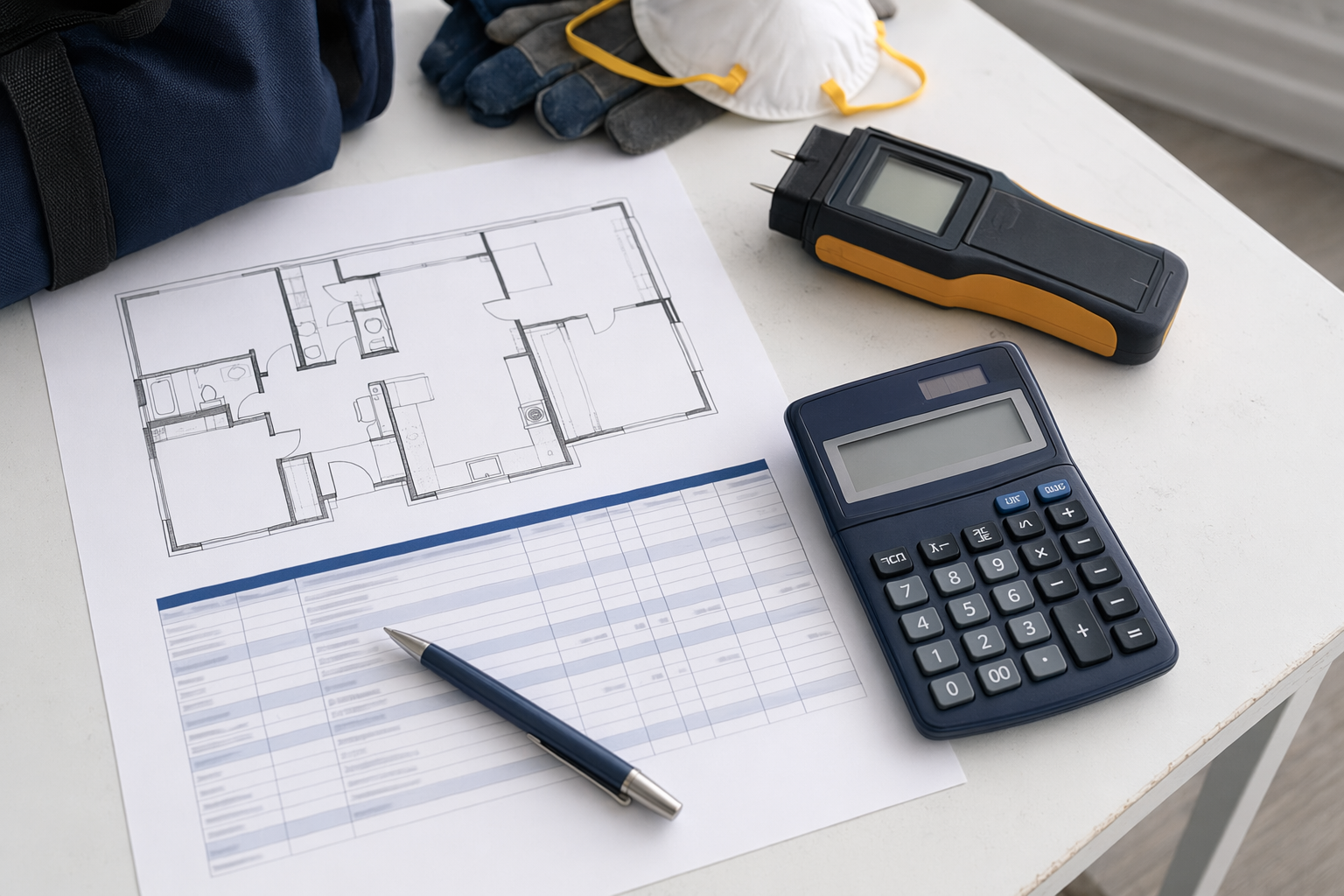
A fair estimate usually starts with a clear description of the damage, the areas affected, and the work the company expects to perform. It should break costs into categories such as emergency mitigation, cleanup, drying, demolition, repairs, materials, labor, equipment, and disposal when those apply. "Mitigation" means the first steps taken to limit further damage, such as removing standing water or setting up drying equipment.
It should also note what is included, what is not included, and what may change if hidden damage is found after work begins. For many homes in the US, restoration costs can range from a few hundred dollars for minor cleanup to several thousand dollars or more for larger losses. As rough examples, small water cleanup might be around $1,000 to $3,500, while larger water or fire-related work can be $5,000 to $20,000 or much more depending on the damage, property size, city, and state. These are estimates only, not quotes or guarantees.
Try to compare at least two or three written estimates for the same scope of work. The easiest way is to look line by line: what each company says it will do, what equipment it plans to use, how many days of monitoring or drying are included, what materials are listed, and whether repairs are part of the price or billed separately. A lower number is not always the better value if important steps are missing.
Ask each company to explain any term you do not understand in plain English. For example, "containment" means sealing off a damaged area to help stop dust, soot, or mold from spreading, and "dehumidification" means removing moisture from the air so materials can dry properly. If you would like help finding certified professionals to compare, you can use our free matching service. Help may also be available in your own language.
Before signing, ask whether the estimate is based on a site visit, moisture readings, photos, or only a phone description. Moisture readings are measurements that help show how wet materials are and whether drying is working. You can also ask what could cause the total to change, whether after-hours or emergency fees apply, and whether the company charges for inspections, equipment setup, or daily monitoring.
It is also smart to ask who will perform the work, whether they are certified for the type of damage involved, and whether they will document the job for insurance if needed. Documentation usually means photos, notes, and readings that show the condition of the property and the work performed. For practical next steps after damage, see what to do now.
Be careful if an estimate is vague, unusually low, or pushes you to sign immediately without enough detail. Red flags can include large upfront demands before work begins, missing contact information, no written scope, or promises that everything will be covered without first reviewing the situation. A fair estimate should be specific and professional, not rushed or confusing.
It is also worth slowing down if a company refuses to explain charges, avoids putting changes in writing, or will not clarify whether reconstruction is included after cleanup. Restoration often has phases, and cleanup does not always include full repair work unless it is listed. You can learn more about common types of work on our services page.
Steady Restore is a free information and matching service for property owners in the US. We are not a restoration contractor, and we provide general educational information only. If you want, we can help you get connected with certified restoration professionals near you so you can request estimates and compare them more confidently.
Our service is free for property owners. Professionals pay us a flat fee to participate, never a percentage of your job. We only ask for general contact details so a local professional can reach you, and we never ask for medical or identity records. You can also explore more cost and planning tips in our guides.
If time allows, getting two or three written estimates can help you compare scope, pricing, and professionalism. In emergencies, you may need to start mitigation quickly to limit further damage, then review the paperwork carefully as the job progresses.
They may include different scopes of work, equipment, repair items, monitoring visits, disposal costs, or assumptions about hidden damage. One estimate may cover only cleanup, while another includes rebuilding or more detailed testing.
Not always. Coverage depends on your policy, the cause of loss, documentation, and the adjuster's review. A restoration estimate can support your claim, but it is not a guarantee of what an insurer will approve or pay.
Usually just general contact details, the property location, and a short description of the damage. We do not ask for medical records or identity records, and help may be available in your preferred language.
What to do if your basement floods Clear, calm, plain-language guidance from Steady Restore - an
What to do right after a house fire Clear, calm, plain-language guidance from Steady Restore - a
What to do when sewage backs up into your home Clear, calm, plain-language guidance from Steady
Free for property owners. Certified, insured pros. No pressure.