What to do if your basement floods
What to do if your basement floods Clear, calm, plain-language guidance from Steady Restore - an
Water damage is stressful. The good news is that homeowners insurance often covers certain kinds of water damage—but not all. Coverage depends on what caused the water and whether the damage is sudden or ongoing.
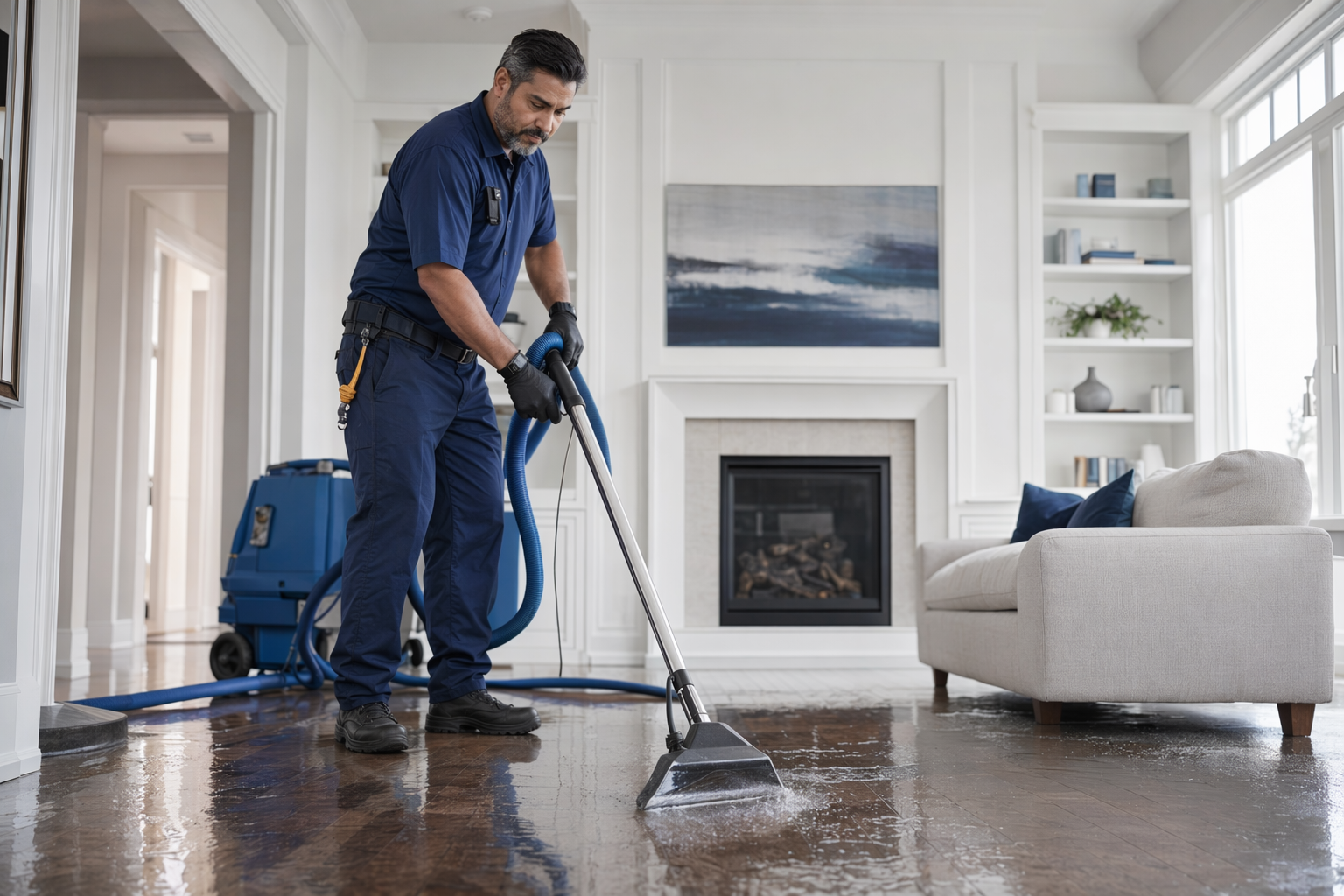
Homeowners insurance usually treats “water damage” in two broad categories: sudden and accidental (like a pipe burst) and gradual or ongoing (like slow leaks, long-term seepage, or poor maintenance). Insurers may cover sudden damage, but they commonly deny damage they believe could have been prevented through regular upkeep.
Water can come from many sources—plumbing leaks, appliance failures, rain entering through a covered roof, or flooding from outside the home. The cause matters as much as the severity. If you’re not sure where the water came from, a certified restoration professional can help you document the conditions and understand the next steps. Learn more about the kinds of help available in our services.
Many policies cover damage from sudden sources such as:
• A burst or leaking supply line (not from neglect)
• Washing machine or dishwasher overflow
• Sudden roof leaks from a covered event
• Water heater leaks
Even when water damage is covered, coverage may not be automatic for every related cost (for example, certain repairs, upgrades, or mold-related issues). A professional can also help with water extraction (removing standing water) and drying (controlled drying to reduce moisture). See what-to-do-now for practical steps immediately after damage.
Homeowners insurance often excludes or limits water damage from issues the policy considers preventable or long-term. Common examples include:
• Gradual leaks or repeated seepage over time
• Damage from poor maintenance (for example, neglected caulking, worn seals, or clogged drains)
• Flooding from outside the home (often handled by separate flood insurance)
• Backups through drains or sewers may be excluded unless you bought an optional endorsement
If you suspect a slow leak, take it seriously. Moisture can spread into walls and subflooring before you notice it. Acting early can help limit secondary problems like mold. You can also use our guides to learn what to document when you talk with your insurer.
Start with your declarations page and the water-related sections of your policy. Look for words like “peril” (the cause of loss), “exclusions” (what’s not covered), and any endorsements for water backup or sewer issues. If you don’t understand a term, ask your insurer to explain it in plain language.
Next, gather basic info: the date the damage started, the suspected source, photos, and a short timeline of what you did right away. Avoid guessing about the cause—restoration experts can assess conditions like materials affected, moisture levels, and whether the situation appears sudden or gradual.
If you’d like help finding certified professionals near you, Steady Restore is free for property owners. Start with get-matched and tell us generally what happened, so you can connect with qualified restoration providers.
Steady Restore is an information and matching service. We’re not a restoration contractor, and we don’t make guarantees about coverage outcomes, timelines, or costs. But we can help you find certified home restoration professionals who can explain the work typically needed after water damage and help you plan next steps.
U.S. costs vary a lot depending on the type of water (clean, gray, or black), how long the moisture was present, affected materials, and your city/state. As an estimate, drying and cleanup may range from a few hundred to several thousand dollars, and larger losses can cost more. Your situation will determine the final scope.
If you prefer your information in your own language, tell us when you request matches—assistance options are often available.
Often, yes—especially when the leak is sudden and accidental. Coverage can depend on policy language and whether the damage appears preventable. It’s still smart to document the source and act quickly.
Sometimes, but it varies. Insurance may cover mold-related damage if it results from a covered water event, and the policy’s wording matters. Mold can also be denied if it’s tied to long-term moisture or excluded causes. A restoration professional can help assess what happened and what remediation steps are typically required.
Usually, no. Flooding from outside the home is commonly handled by a separate flood policy. If you’re dealing with rising water or overflow from rivers, lakes, or heavy rainfall that enters the home from outside, check whether you have flood coverage or need a different policy.
It can be hard to know from the surface. Clues include signs of moisture that have spread over time (stains, warped materials, repeated odors) versus clear evidence of a recent failure (like a visible burst). A moisture assessment from certified pros can help determine the likely timeline.
What to do if your basement floods Clear, calm, plain-language guidance from Steady Restore - an
What to do right after a house fire Clear, calm, plain-language guidance from Steady Restore - a
What to do when sewage backs up into your home Clear, calm, plain-language guidance from Steady
Free for property owners. Certified, insured pros. No pressure.