What to do if your basement floods
What to do if your basement floods Clear, calm, plain-language guidance from Steady Restore - an
Black mold can be scary to see after a flood, leak, or water damage. The good news: with the right safety steps and certified help, many situations can be handled safely and effectively. Steady Restore is a free information and matching service that helps property owners in the US find qualified home restoration professionals—so you don’t have to guess who to call.
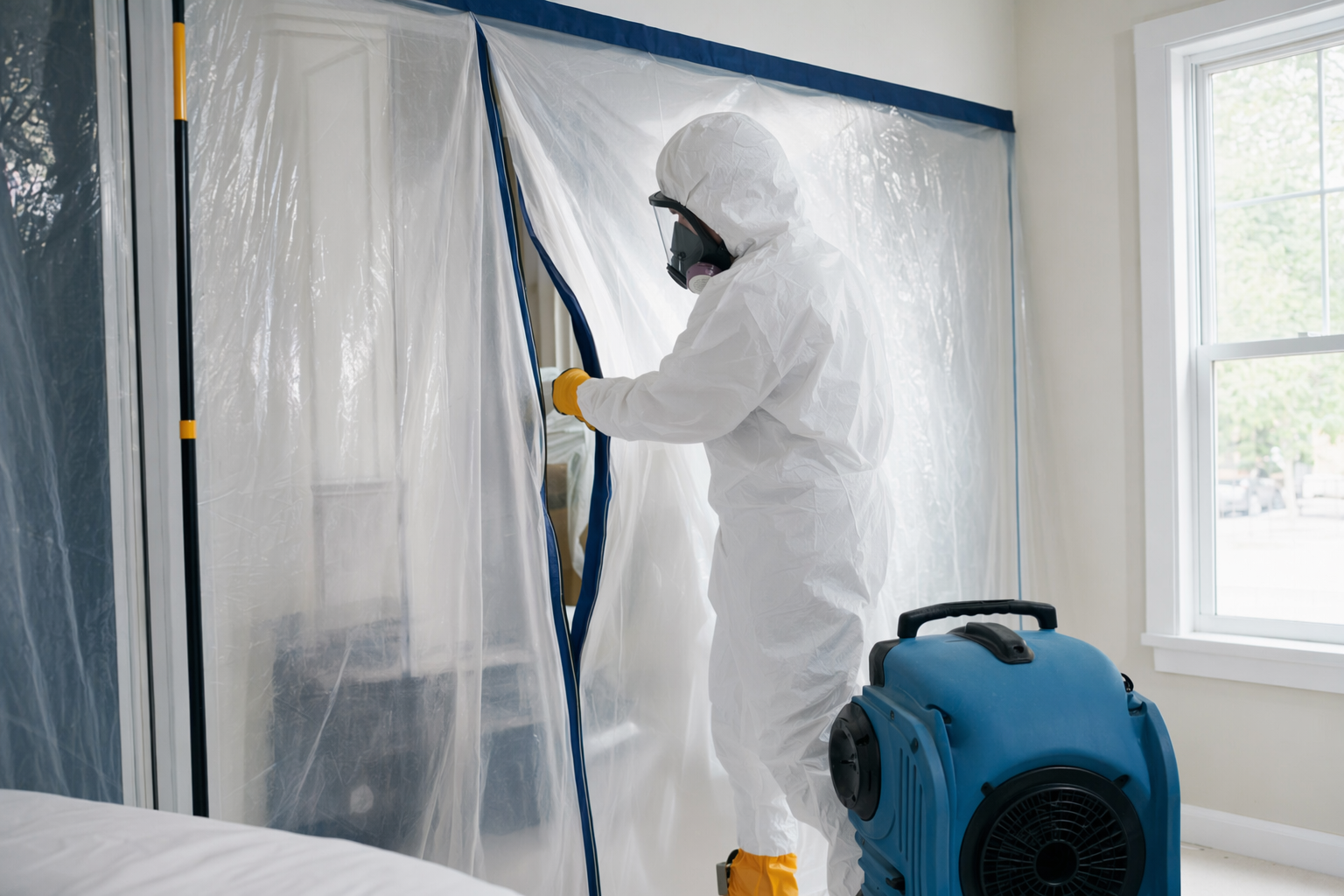
If you’re dealing with mold concerns after property damage, Steady Restore can help you find certified home restoration professionals in your area—free for property owners. We only ask for general contact details so you can be connected to the right type of help.
To start, visit Get matched. You can also browse Guides for calm, step-by-step support in your own language when available.
Home kits can sometimes help with awareness, but they may not fully explain the cause of moisture or the full scope of contamination. In many situations, the safest approach is to focus on stopping the water source and drying, then consult a certified restoration professional. Professionals may use inspection methods tailored to your situation.
Bleach can temporarily remove surface discoloration, but it usually doesn’t address mold growing inside materials or ongoing moisture. It can also be irritating and may not be effective in porous materials. Certified teams typically focus on moisture control, containment, and proper removal/cleaning for the materials involved.
Mold can begin growing within 24–48 hours when materials stay wet enough. That’s why fast water removal and professional drying matter. The exact timeline depends on temperature, humidity, the type of material, and how long the area remained wet.
Porous materials can absorb moisture and are harder to fully clean once contaminated. Examples include drywall (especially paper-faced drywall), insulation, and some types of wood. Non-porous materials (like glass or some sealed surfaces) are typically easier to clean and disinfect when appropriate.
What to do if your basement floods Clear, calm, plain-language guidance from Steady Restore - an
What to do right after a house fire Clear, calm, plain-language guidance from Steady Restore - a
What to do when sewage backs up into your home Clear, calm, plain-language guidance from Steady
Free for property owners. Certified, insured pros. No pressure.