What to do if your basement floods
What to do if your basement floods Clear, calm, plain-language guidance from Steady Restore - an
After a fire, smoke and soot can affect the air inside a home even after the flames are out. The smell may linger, and tiny particles can settle on walls, ceilings, furniture, and inside heating and cooling systems. It can feel overwhelming, but there are clear next steps that can help you protect your household and understand when to bring in professional help. Steady Restore shares general educational information and offers a free way for US property owners to get matched with certified restoration professionals. We are not a restoration contractor, and we do not provide quotes or guarantee results. If you want help, you can [get matched](/get-matched/) and support may be available in your own language.
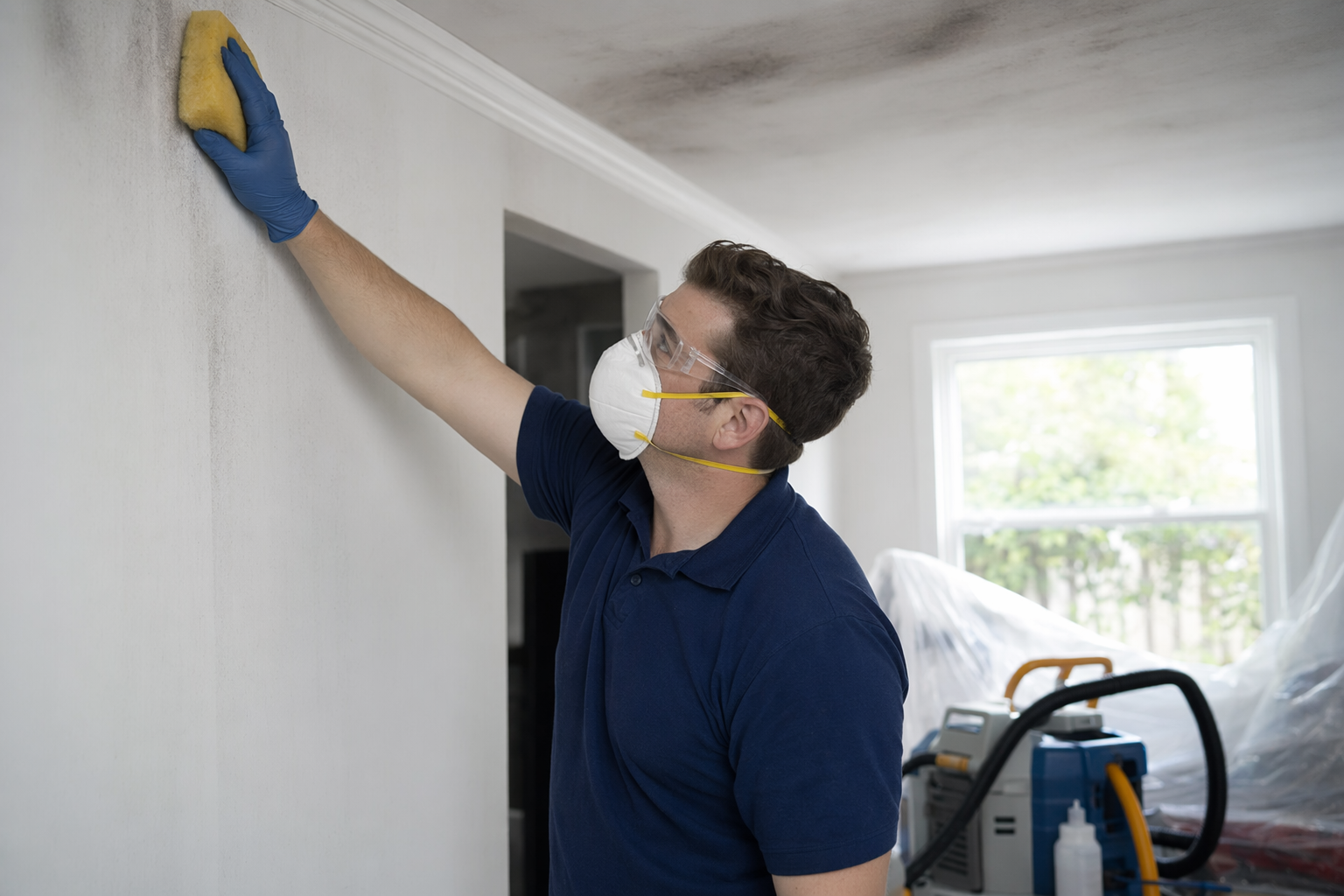
After a fire, the air may still contain smoke residue, soot, ash, and other fine particles. Soot is the black, powdery material left behind when things burn. These particles can be too small to see clearly, but they can still irritate the eyes, nose, throat, and lungs.
Air quality can stay poor because smoke does not only affect the room where the fire happened. It can move through hallways, open doors, attics, and ductwork. Ductwork is the system of hidden passages that carries heated or cooled air through the home. Soft materials like carpet, curtains, insulation, and upholstered furniture can also trap odors and particles.
If the fire was more than very minor, it is often wise to avoid spending time in the property until officials or qualified restoration professionals say it is reasonably safe to enter. This is especially important if there is visible soot, a strong smoke smell, water damage, damaged drywall, or signs that the heating and cooling system may have pulled smoke through the home.
Children, older adults, pregnant people, and anyone with asthma, COPD, or other breathing concerns may be more sensitive to post-fire air problems. If anyone has trouble breathing, chest pain, severe coughing, dizziness, or worsening irritation, seek medical care right away. For practical next steps after damage, see what to do now.
Do not turn on the HVAC system unless a professional tells you it is appropriate. HVAC means heating, ventilation, and air conditioning. If smoke and soot got into the system, turning it on can spread particles to more areas. Avoid sweeping dry soot or using a regular household vacuum, because that can send fine particles back into the air.
If local authorities say entry is allowed, take photos for your records and limit movement inside. You can open windows only if outdoor conditions are safe and doing so will not worsen damage, but natural airing-out alone usually does not solve smoke contamination. It is best not to wash walls, scrub surfaces, or use odor sprays until you know what materials were affected, because the wrong cleaning method can smear soot or make cleanup harder.
Certified restoration professionals may use several methods depending on the type and size of the fire. They may set up air scrubbers, which are machines that pull air through special filters to capture very small particles. They may also use HEPA filtration. HEPA stands for high-efficiency particulate air, a type of filter designed to catch many fine particles.
They may remove damaged materials, clean surfaces with fire-specific methods, and inspect insulation, attics, crawl spaces, and ductwork. In some cases they use deodorization methods to reduce smoke odors after the physical residue has been cleaned away. The right plan depends on what burned, how far smoke traveled, how long residue sat in the home, and whether water was used to put out the fire. You can learn more about common recovery options on our services and guides pages.
Costs to address post-fire air quality vary widely by the size of the loss, the materials affected, the city and state, and whether cleanup includes ductwork, insulation, contents, or structural repairs. As a broad US estimate, light smoke and odor cleanup in a limited area may start around $500 to $2,000, while more extensive fire and smoke restoration can range from about $3,000 to $30,000 or more. Large or severe losses can exceed that.
These are only general estimates, not quotes or guarantees. Insurance may cover some fire-related cleanup, but every policy and claim is different. Steady Restore is a free information and matching service for property owners. We only ask for general contact details, never medical or identity records, and professionals pay a flat fee to participate, never a percentage. If you want to explore options, you can get matched.
Not always. A smoke smell can mean residue is still present in the air or on surfaces, even if the fire is out. Safety depends on how much smoke spread, what burned, whether soot is visible, and whether the HVAC system was affected. If the fire was more than very minor, it is usually best to get professional guidance before staying inside.
Usually not by itself. Fresh air may help reduce some odor for a short time, but smoke particles often remain in fabrics, dust, insulation, and ventilation systems. In many cases, proper cleaning and filtration are needed to improve indoor air quality.
It may need attention, but do not assume a new filter alone solves the problem. If smoke entered the system, soot may be inside ducts and on system components. Running the system too soon can spread residue. A qualified professional can tell you whether the filter, ductwork, or equipment should be cleaned or replaced.
You can use Steady Restore to request a free match with certified restoration professionals in the US. We share general educational information and connect property owners with participating pros. We are not a contractor, and we do not promise a specific company, price, or outcome. Help may be available in your preferred language.
What to do if your basement floods Clear, calm, plain-language guidance from Steady Restore - an
What to do right after a house fire Clear, calm, plain-language guidance from Steady Restore - a
What to do when sewage backs up into your home Clear, calm, plain-language guidance from Steady
Free for property owners. Certified, insured pros. No pressure.